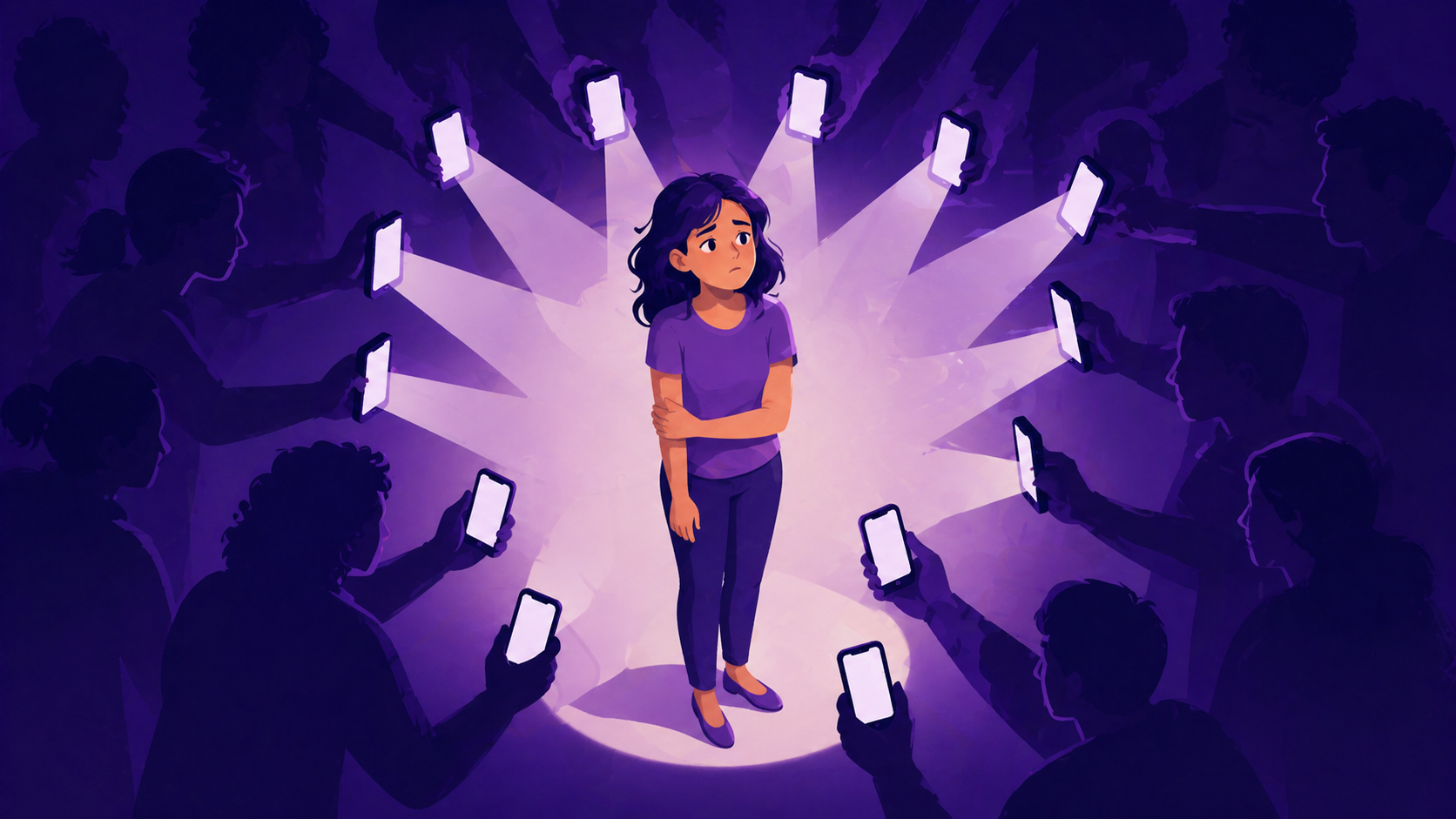
When ABC suspended Jimmy Kimmel Live! in 2025, I remember thinking this was going to be one for the history books, or at least Wikipedia. The reaction became bigger than the original comments almost immediately.
Kimmel had made controversial remarks after the killing of conservative activist Charlie Kirk. ABC suspended the show, some affiliate stations had already moved to pull it, and the FCC chair publicly criticized Kimmel's comments while warning about possible regulatory consequences. A few days later, Disney announced the show would return. Depending on who you asked, this was accountability, censorship, corporate risk management, political pressure, or cancel culture. That is exactly why it is a useful case to think about. (AP News)
A five-minute verdict on whether ABC was right or wrong misses how differently people can read the same facts. A public figure says something people believe is harmful. A company responds. Viewers react. Other powerful people apply pressure. Supporters call it consequences. Critics call it a pile-on or an attack on speech.
That is the tension students need to understand: both things can be true. Accountability matters, especially when someone with a platform causes harm. But punishment can also become disproportionate, especially when online pressure, institutions, and public anger start moving faster than careful judgment.
Cancel culture describes publicly withdrawing support from a person, often a public figure, after something they said or did, usually through online criticism, boycotts or calls for them to lose a job or platform. Supporters see it as accountability. Critics see a pile-on with no sense of proportion and no way back. The useful question for students is when a response is fair and when it becomes harassment.
Cancel culture is difficult to discuss because people often use the same words to describe different things. One person says "cancel culture" and means mob punishment, online harassment, or someone losing work because of one badly judged moment. Another person hears "cancel culture" and thinks of powerful people finally facing consequences for harm they used to get away with. Both concerns are real, which is why the conversation often gets stuck before it starts.
The Kimmel case shows how quickly the categories can blur. A public figure made controversial comments. A network suspended him. Affiliate stations made their own decisions about airing the show. Political pressure and regulatory language entered the story. Viewers argued about speech, accountability, censorship, corporate responsibility, and whether the response was proportionate. That is exactly the kind of case where students need more than a quick opinion. They need a way to ask better questions.
Consequences are not the issue. What matters is whether the response is fair, proportionate, and aimed at accountability rather than humiliation. Context matters. Power matters. The scale of the response matters. Whether the person has a chance to respond or repair the harm matters. Once students can name those factors, they are less likely to treat every call-out as justice or every consequence as cancel culture.
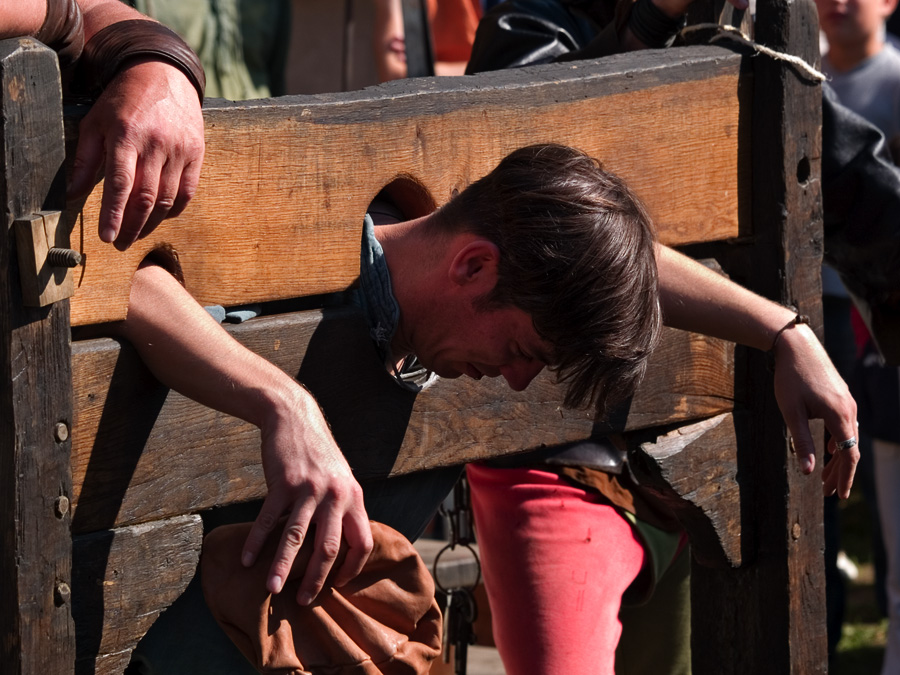
Public shaming is not new. The pillory was designed to expose someone to community judgment, a punishment that was often disproportionate and irreversible. Cancel culture raises similar questions about who decides, at what scale, and with what chance of repair. Photo: Michael Höfner, CC BY-SA 2.5.
That is the thinking behind Cancel Culture, a group activity for ages 14 to 18 that fits well in digital citizenship, media literacy, social studies, advisory, ethics, or life skills lessons. Students define accountability, cancel culture, and online harassment before working through realistic scenarios where the lines are not always clear. They weigh context, proportionality, power, repair, and the difference between calling someone out and joining a pile-on rather than chasing one neat answer.
| Ages | 14–18 |
| Group size | 3–4 students |
| Time | 60–70 minutes |
| Works for | Digital citizenship, media literacy, social studies, advisory, ethics, life skills |
The activity is built in three parts. In Part 1, students create working definitions of accountability, cancel culture, and online harassment. This matters because students often use these words differently. Agreeing on a shared definition before the scenarios helps keep the discussion clearer.
In Part 2, students work through scenarios involving an offensive joke shared by a popular student, an old celebrity comment resurfacing, a private conversation shared without context, a teacher filmed and posted online, a boycott of a small business, and someone trying to return after being publicly canceled. For each case, students discuss what happened, whether the response is proportionate, and what principle should guide the decision.
In Part 3, students use a spectrum exercise to categorize different actions as accountability, cancel culture, harassment, or somewhere in between. These include leaving a negative review, sharing a private message, signing a petition, mass-reporting an account, writing public criticism, and contacting someone's employer. The point is that the same action can be fair in one situation and harmful in another, depending on context, scale, power, and intent.
The lesson also includes a teacher guide with timing, facilitation notes, differentiation ideas, and an assessment rubric. The rubric focuses on understanding the distinction between accountability and cancel culture, scenario analysis, engagement with complexity, group discussion, and quality of reflection, so students are assessed on the reasoning behind their position rather than whether they take the "right" side.
This lesson works best when students are asked to slow down. Cancel culture discussions can become fast and performative, especially if students jump straight to famous examples or political positions. Keep bringing them back to the scenario in front of them: what happened, who was harmed, who has power, what response would be proportionate, and what would repair look like?
Where groups may stall is when they treat context as either everything or nothing. Some students may say "it depends" so often that they avoid making a judgment. Others may ignore context entirely and decide from instinct. Push them to name which details matter. Does it matter whether the person is a public figure or a private individual? Whether the comment was recent or years old? Whether the response is criticism, exclusion, job loss, or harassment?
The spectrum exercise tends to open things up. Ask students: "If the same action can be accountability in one case and harassment in another, what changes it?" That question helps them move beyond labels and into judgment. It also makes the lesson feel more useful for real online life, where students may be tempted to like, share, report, pile on, defend, or stay silent before they have really thought through the consequences.
Cancel Culture is part of the Social Media and Digital Life bundle, a collection of activities that help students think more carefully about online behavior, digital citizenship, social media pressure, and the choices they make in public digital spaces. Use it as a standalone lesson on accountability, cancel culture, online harassment, proportionality, or public call-outs, or as part of a wider sequence on media literacy and digital citizenship.