Blog
I write about the digital media landscape my teenage son, and your students, live in.
Navigating Information Online
Media literacy lessons for spotting misinformation, reading the news for framing and bias, telling satire from fake news, and seeing how filter bubbles and echo chambers shape what students believe.
 Ben
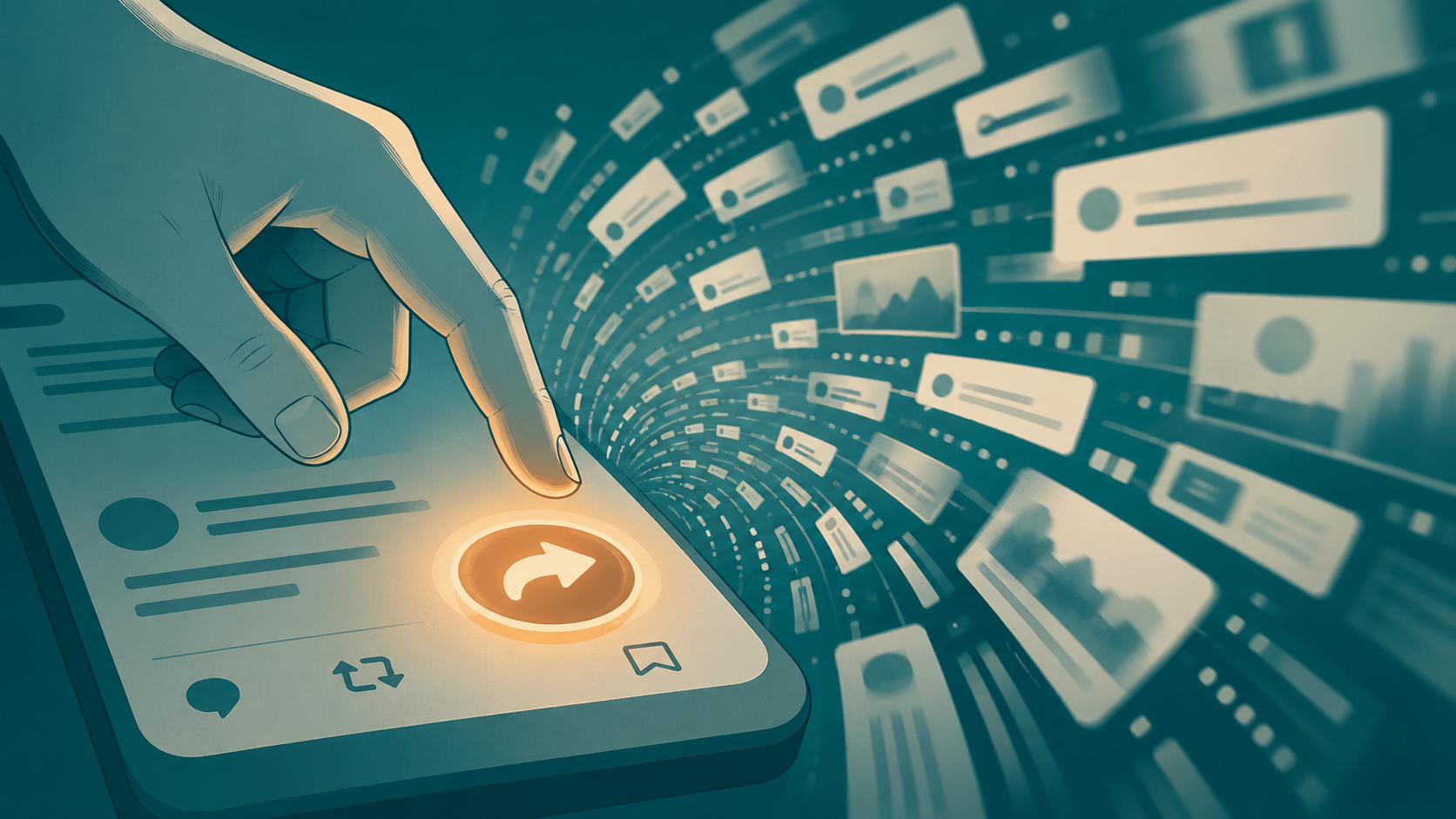
BenYour students can spot a lie. The problem is the two seconds before they share it.
Help your students recognize misinformation in time and act wisely before the share button does the damage.
 Ben
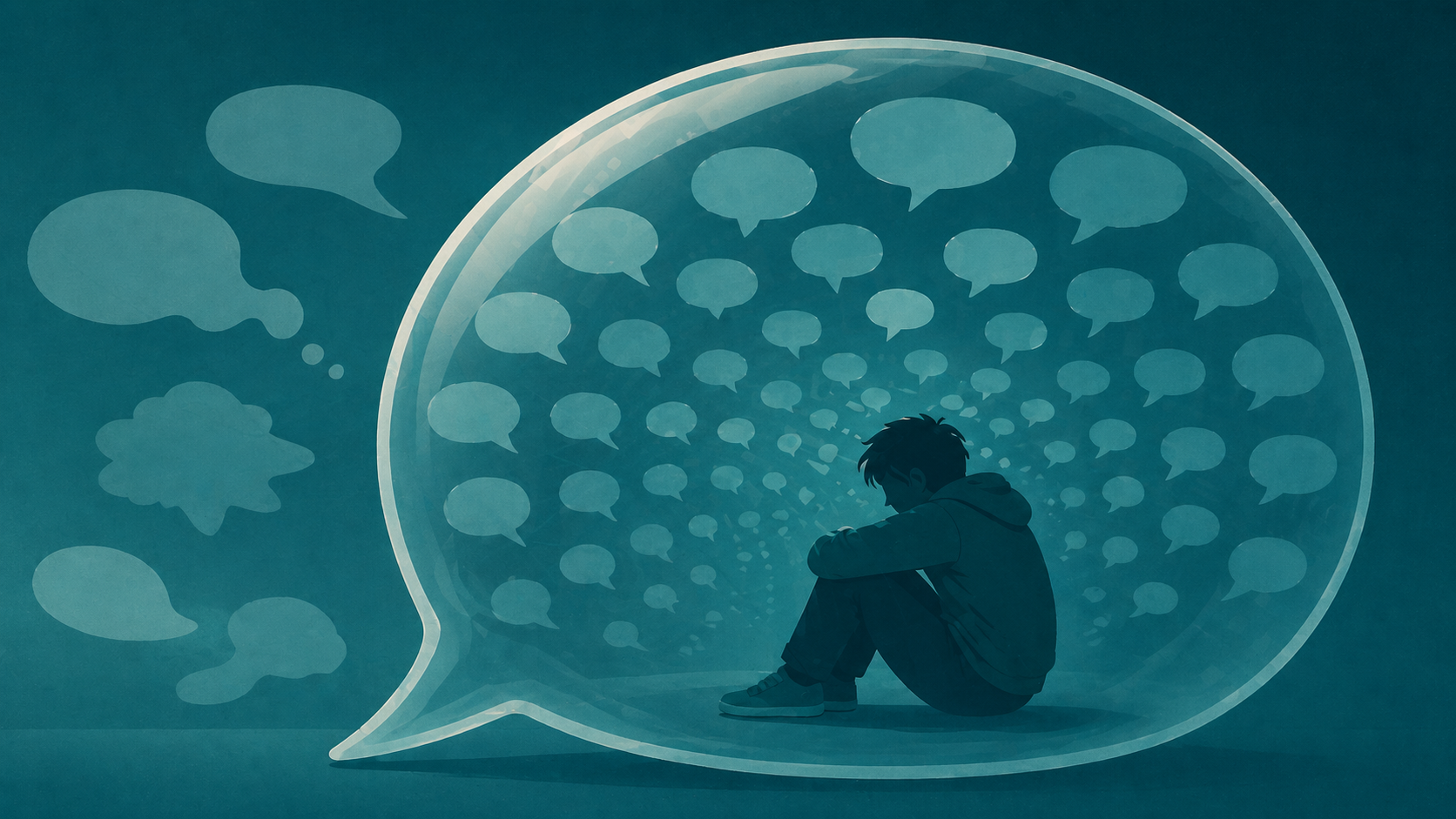
BenYour feed has a shape. Most students have never been asked to look at it.
Algorithms shape what students see. This activity helps them examine their feeds, find their blind spots, and test their own assumptions.
 Ben
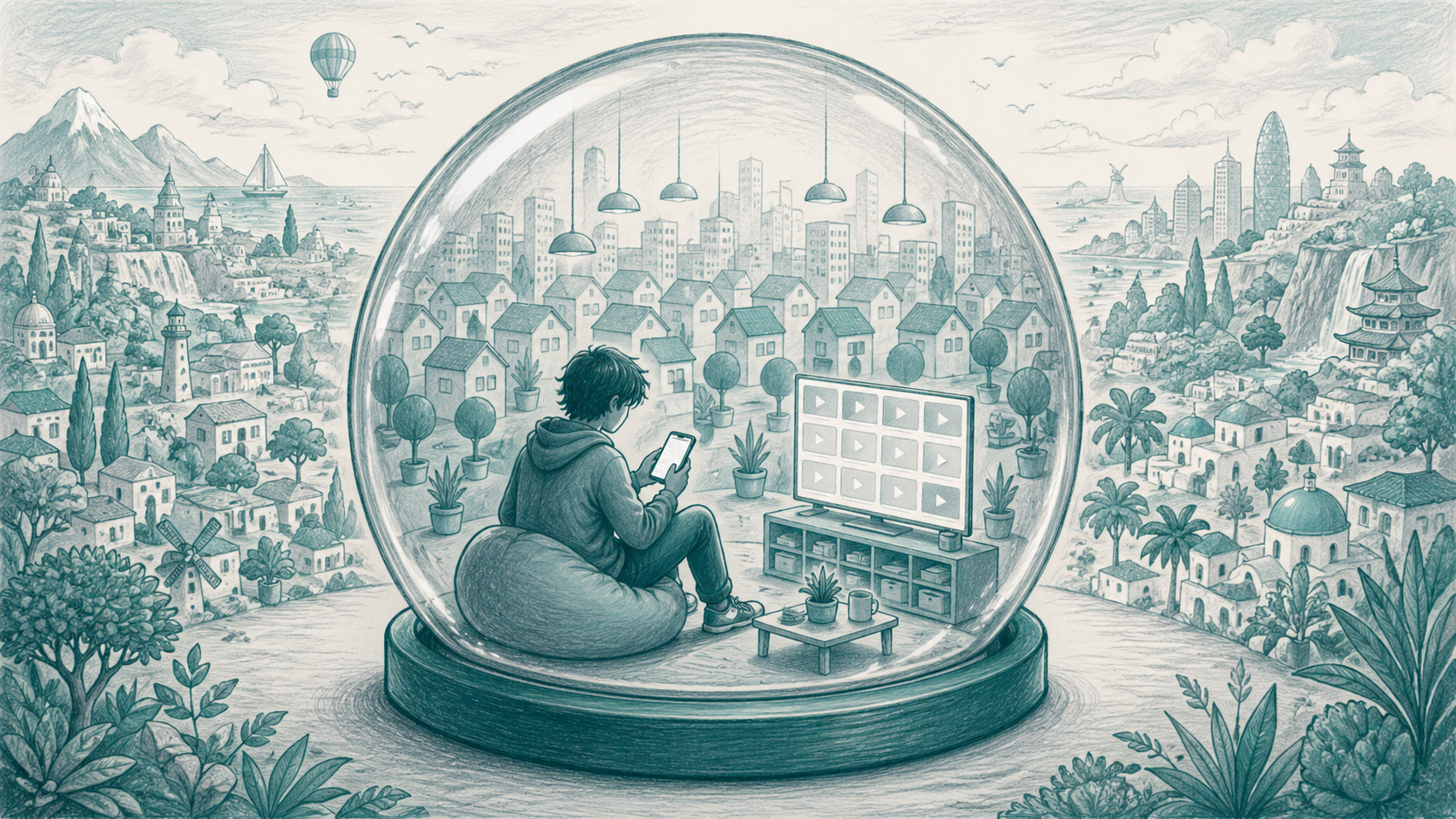
BenStudents know their feeds are personalized. But what are they not seeing at all?
Personalized feeds show students what platforms think they want to see. This activity helps them notice what's been filtered out.
 Ben
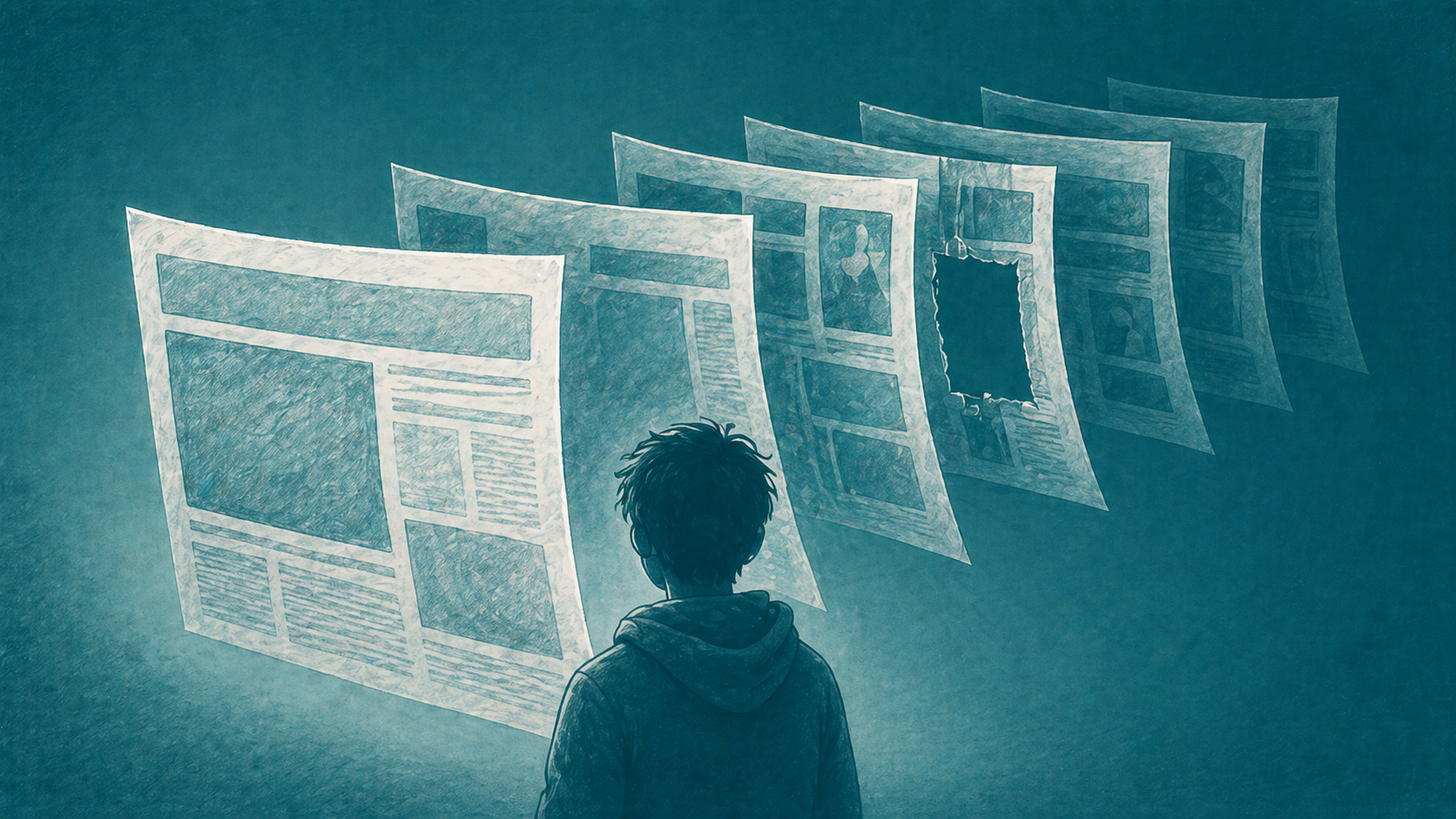
BenThe problem is not just fake news. Real news can be framed to push students toward a conclusion too.
Helps students compare headlines, spot framing, and ask better questions about sources and bias.
 Ben
BenConspiracy theories feel satisfying to believe. That's exactly the problem.
Sometimes a student believes something that is false, and ridiculous to you, but they actually believe it. This activity explores why.
 Ben
BenSometimes satire looks like news. Sometimes real news sounds like satire. Students need practice telling the difference.
Satire is not just fake news with jokes. Helps students understand intent, context, source, and what changes when satirical content is shared as if it were real.
Social Media and Digital Life
Digital citizenship lessons on what social media does to attention, self-image and behavior: the attention economy, doomscrolling, influencer culture, FOMO, cancel culture, sharenting and staying safe online.
 Ben
BenOnline safety works best when students practice it, not just hear about it.
A practical lesson where students audit their own accounts: privacy settings, passwords, 2FA, phishing risks, and digital footprints.
 Ben
BenIn the attention economy, students are not the customer. Their attention is the product.
Helps students explore how free platforms make money, what app design does to their habits, and what it means to have their attention bought and sold.
 Ben
BenDoomscrolling starts with good intentions. That's what makes it hard to stop.
Helps students understand doomscrolling, spot their own triggers, and find the line between staying informed and spiraling.
 Ben
BenSupporters call it consequences. Critics call it a pile-on. Both things can be true at once.
Helps students explore cancel culture, accountability, online harassment, proportionality, and what fairness actually requires.
 Ben
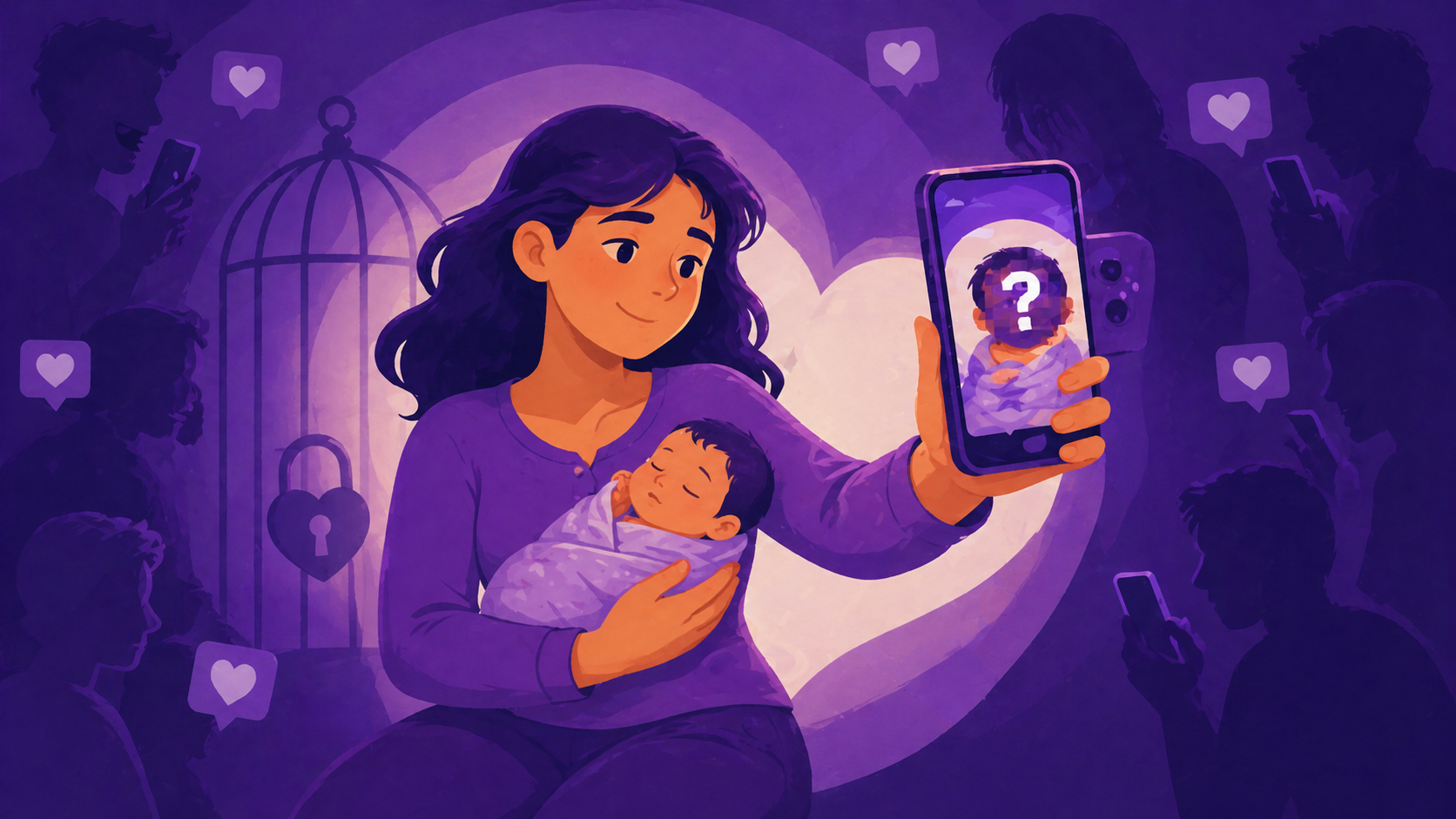
BenMost parents share out of love. That doesn't mean the child had a say.
Helps students explore sharenting, children's privacy, consent, digital footprints, and the growth of family vlogging.
 Ben
BenAttention becomes trust. Trust becomes influence. Influence becomes money.
Helps students explore influencer culture, sponsored content, disclosure, authenticity, and how online trust is built and spent.
 Ben
BenSocial media asks you to measure your real life against everyone else's highlights. That's not a fair comparison.
Helps students explore FOMO, social comparison, online highlights, and what healthier social media habits actually look like.
Privacy, Identity and the Digital World
Lessons on digital footprints, data privacy, online anonymity, the right to be forgotten and cyberbullying, so students can think about who sees what they share and what it can mean later.
 Ben
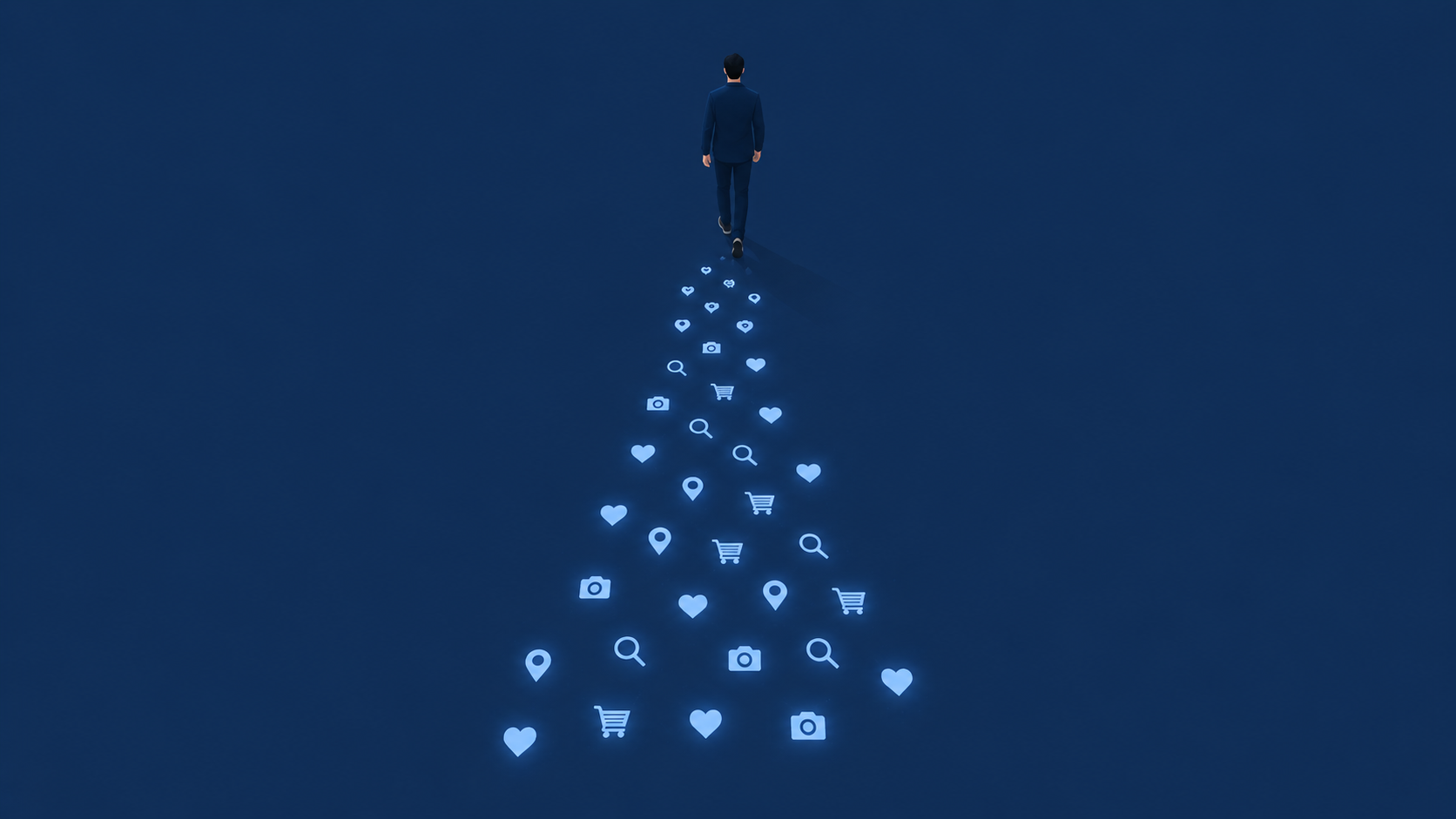
BenStudents often think their digital footprint is just what they post. Let's have them see the wider trail they leave behind.
Helps students audit their active and passive digital footprints: from posts and profiles to app permissions, location data, and search history.
 Ben
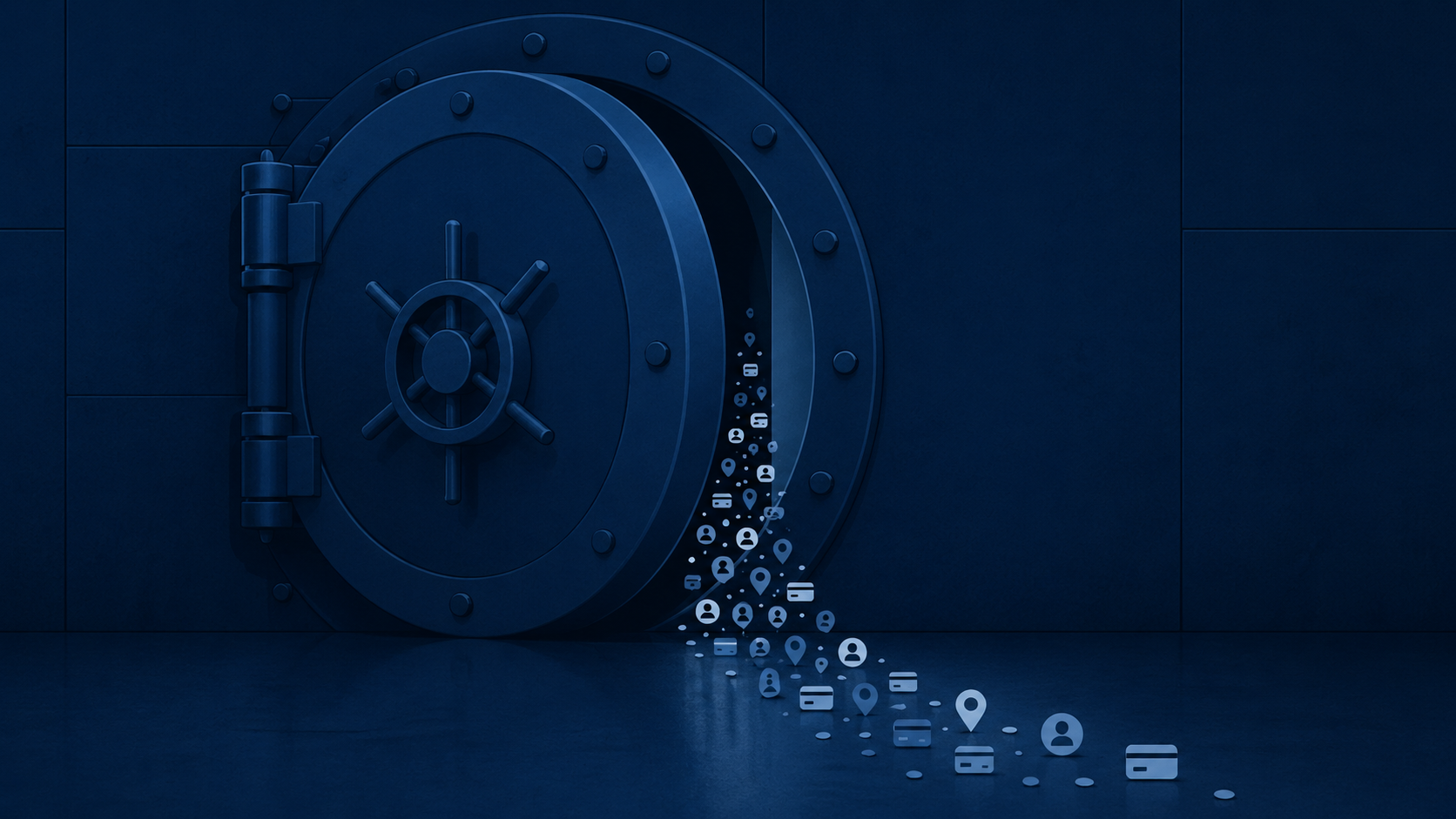
BenFree apps are not really free. Let's help students see what they give away every time they click agree.
Helps students examine what apps collect, translate Terms of Service into plain language, and think through the convenience versus privacy trade-off.
 Ben
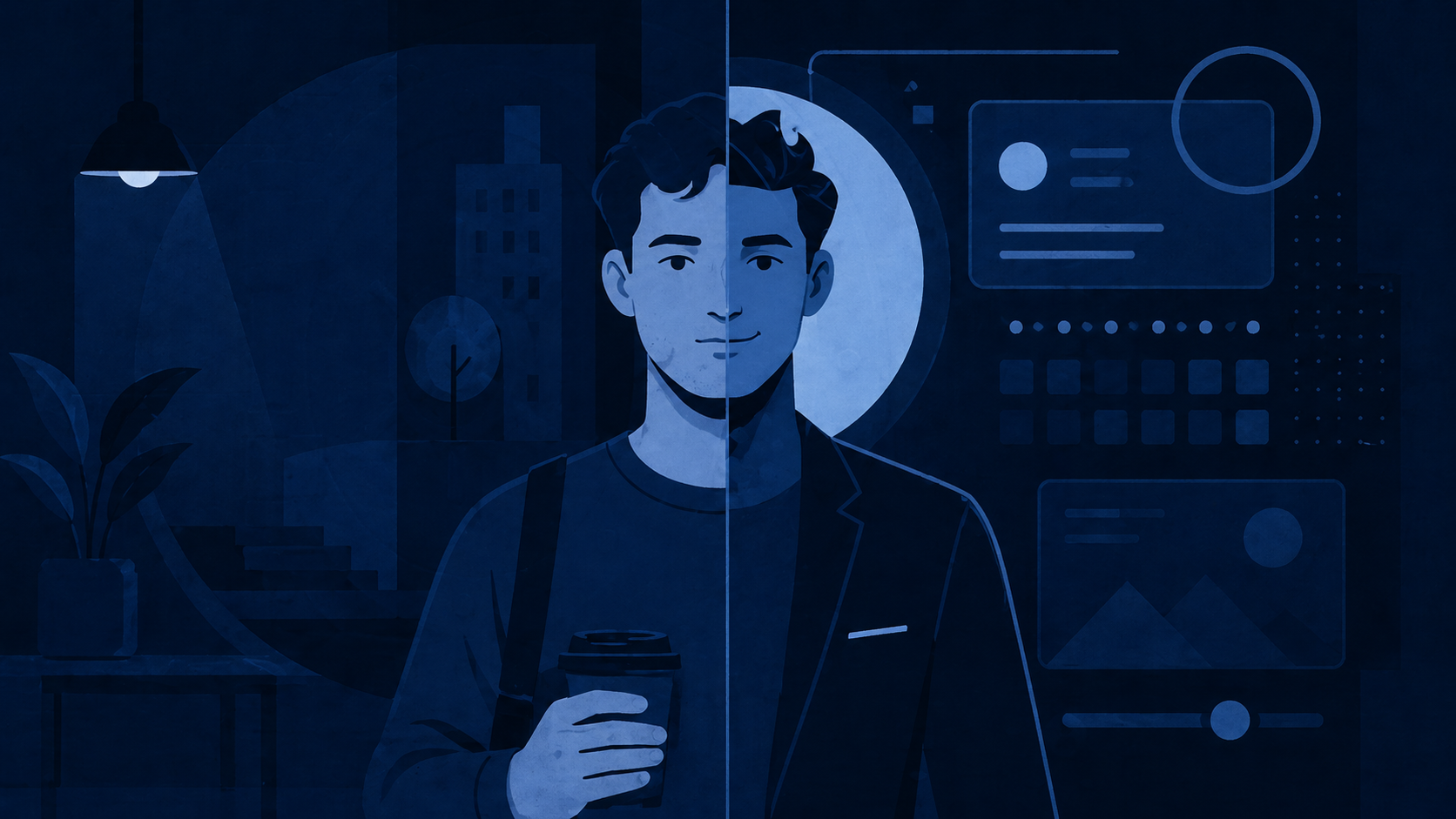
BenOnline anonymity can protect people and it can enable harm. Students need practice thinking through where that line should be.
Helps students explore anonymity, pseudonymity, free speech, accountability, and what changes when someone cannot easily be identified online.
 Ben
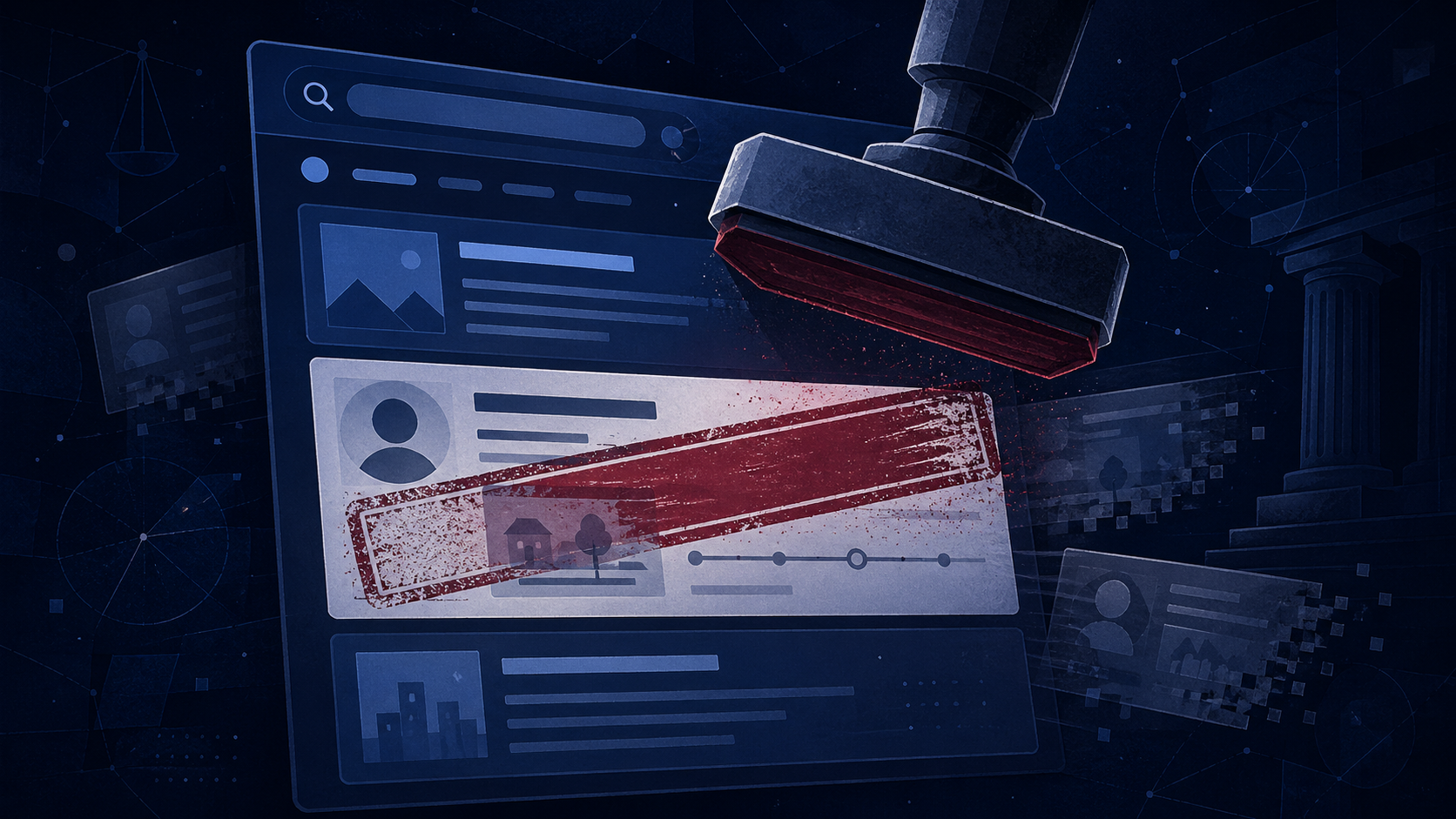
BenPeople change. Search results do not always change with them. Students need practice thinking through who gets to decide what stays easy to find.
Helps students weigh privacy, second chances, accountability, and what GDPR's right to erasure actually does and does not cover.
 Ben
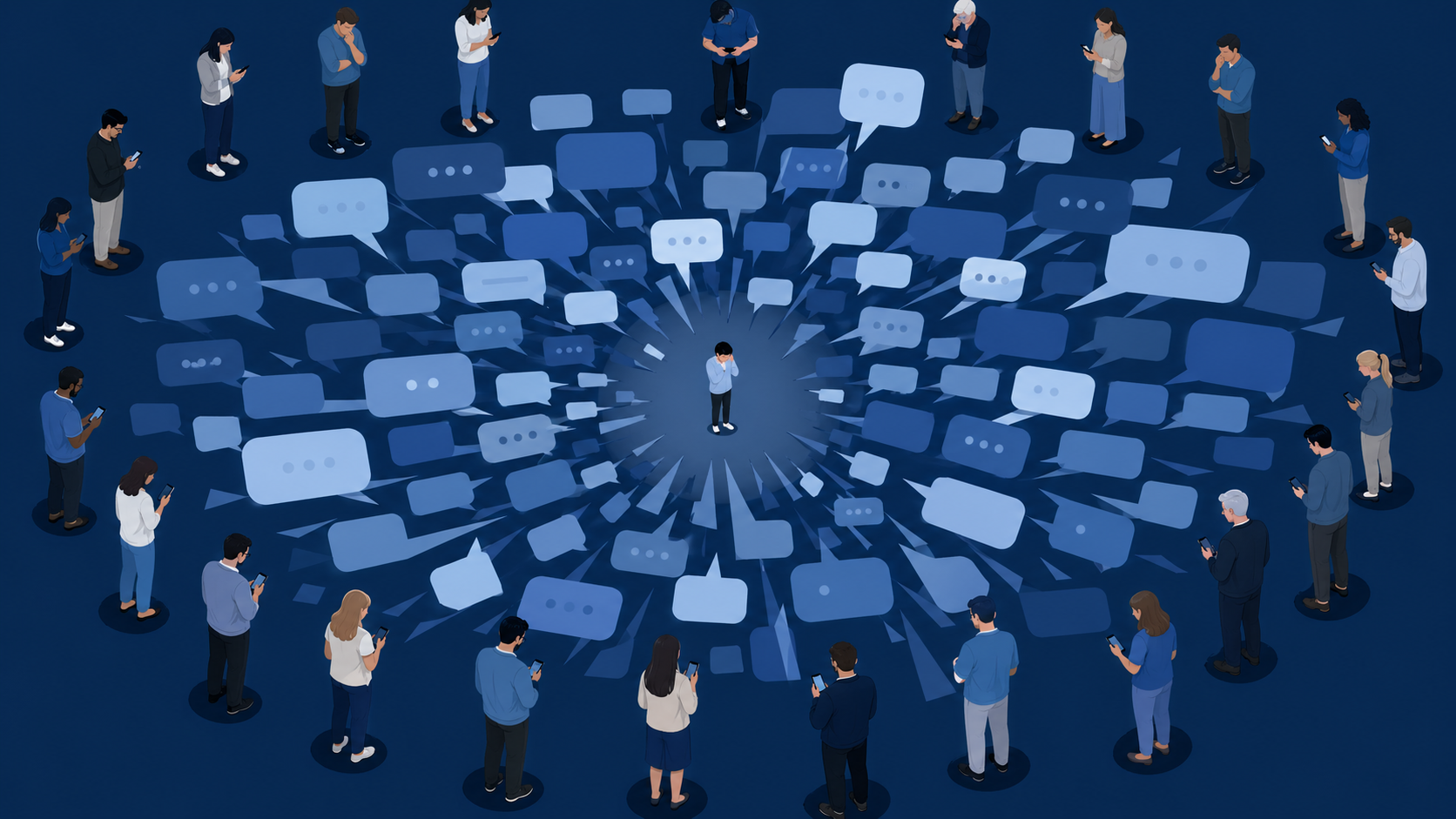
BenTeachers know that silence can mean a lot. What do students do when speaking up could make them the next target?
Helps students explore cyberbullying, bystander behavior, online harm, social pressure, and what realistic responses actually look like.
Wellbeing and Mental Health
Wellbeing lessons on social media and mental health, emotional regulation, screen time, body image, loneliness, gender pressure and the manosphere, built so nobody has to share anything personal.
 Ben
BenEmotions are information, not instructions. That's the gap worth teaching.
Helps students build emotional vocabulary, understand what emotions are for, and choose regulation strategies that actually work.
 Ben
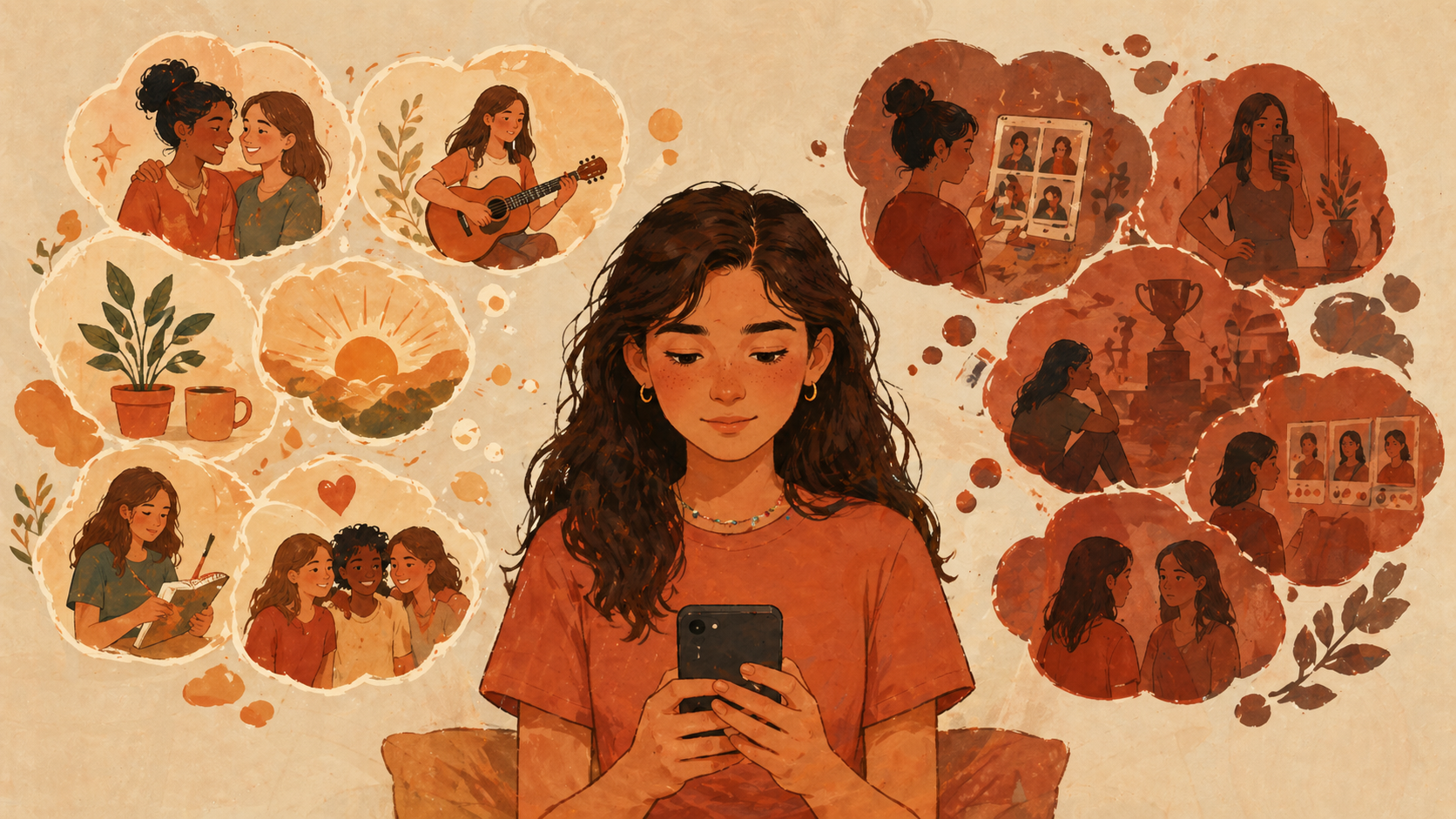
BenThe headlines say social media is damaging young people's mental health. Is it that simple?
Helps students explore social media, mental health, screen habits, sleep, comparison, and what the evidence actually says.
 Ben
BenThe question isn't whether gaming is good or bad. It's whether it's still working for you.
Helps students explore gaming, screen time, healthy use, warning signs, and the design tactics that keep them playing.
 Ben
BenTraditional gender roles didn't go away. They became lifestyle content. That's what makes them harder to question.
Helps students examine gender scripts online, from manosphere content to tradwife culture and social media identity.
 Ben
BenA student can have hundreds of online connections and still feel like nobody really knows them.
Helps students explore online friendships, loneliness, parasocial relationships, and what real connection actually requires.
 Ben
BenSocial media didn't invent body image pressure. It made it faster, more constant, and harder to notice.
Helps students explore filters, editing, appearance pressure, and what healthier engagement with body image content looks like.
 Ben
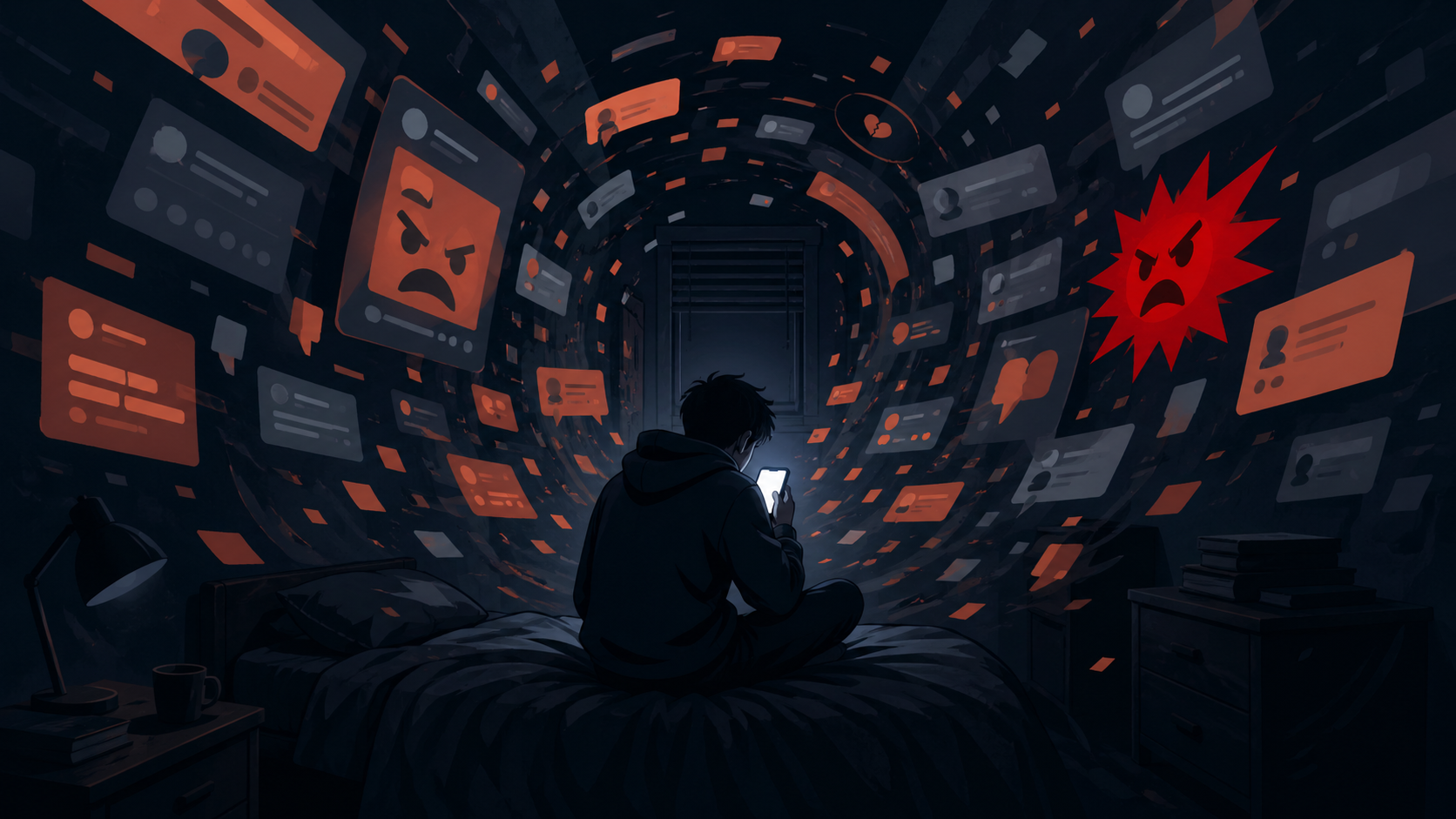
BenYoung men are struggling, isolated, and angry. The manosphere has an explanation. Most classrooms don't.
What's driving boys toward red-pill content, why banning and contempt don't work, and what educators can realistically do instead.
AI, Technology and the Future
AI literacy lessons on how AI works and why it gets things wrong, AI and homework, judging AI content, deepfakes, bias in algorithms and what AI means for future jobs.
 Ben
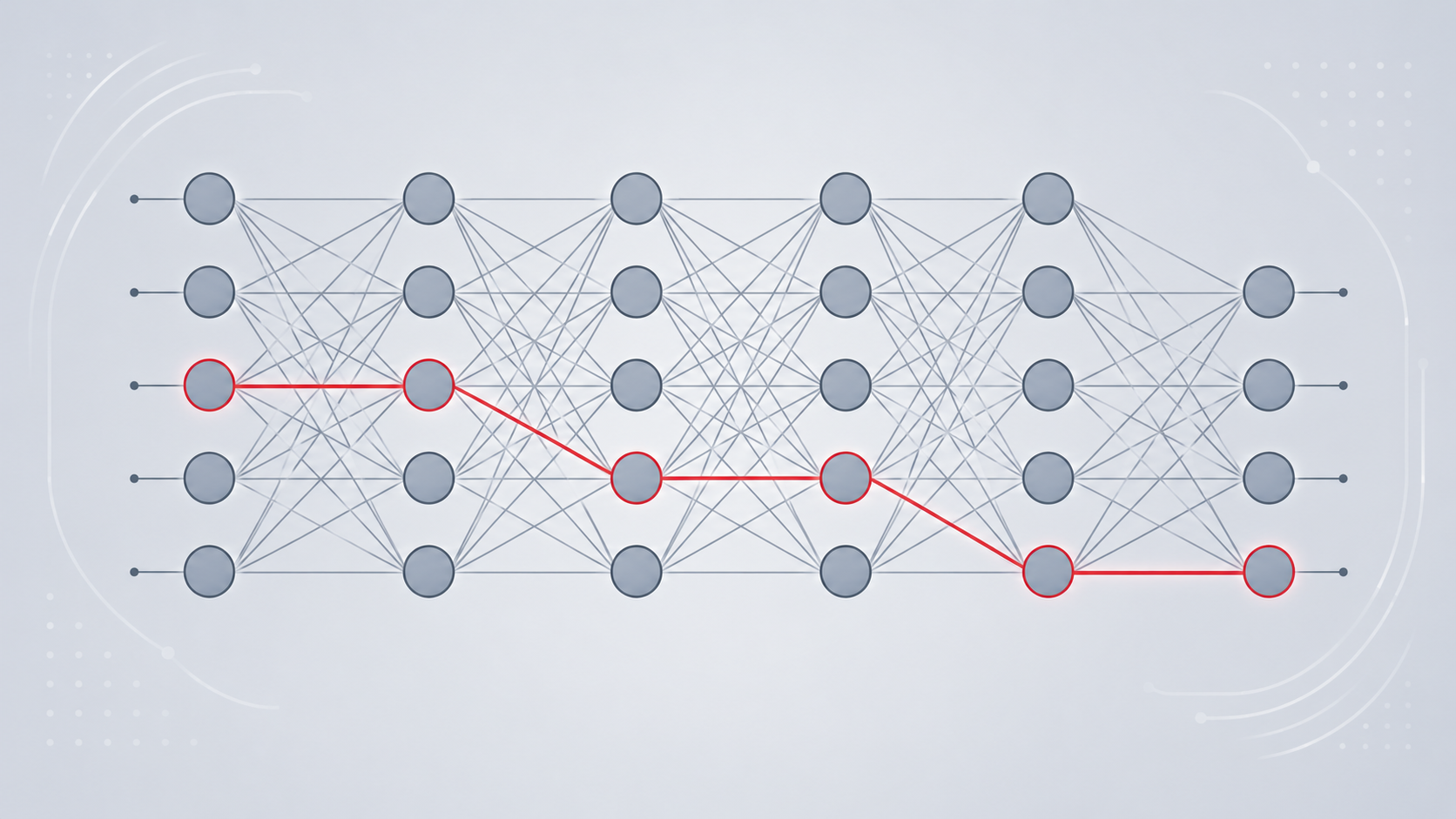
BenPlausible isn't the same as true. That's the most useful thing students can learn about AI.
Helps students understand how AI works, why it gets things wrong, and how to use it more critically.
 Ben
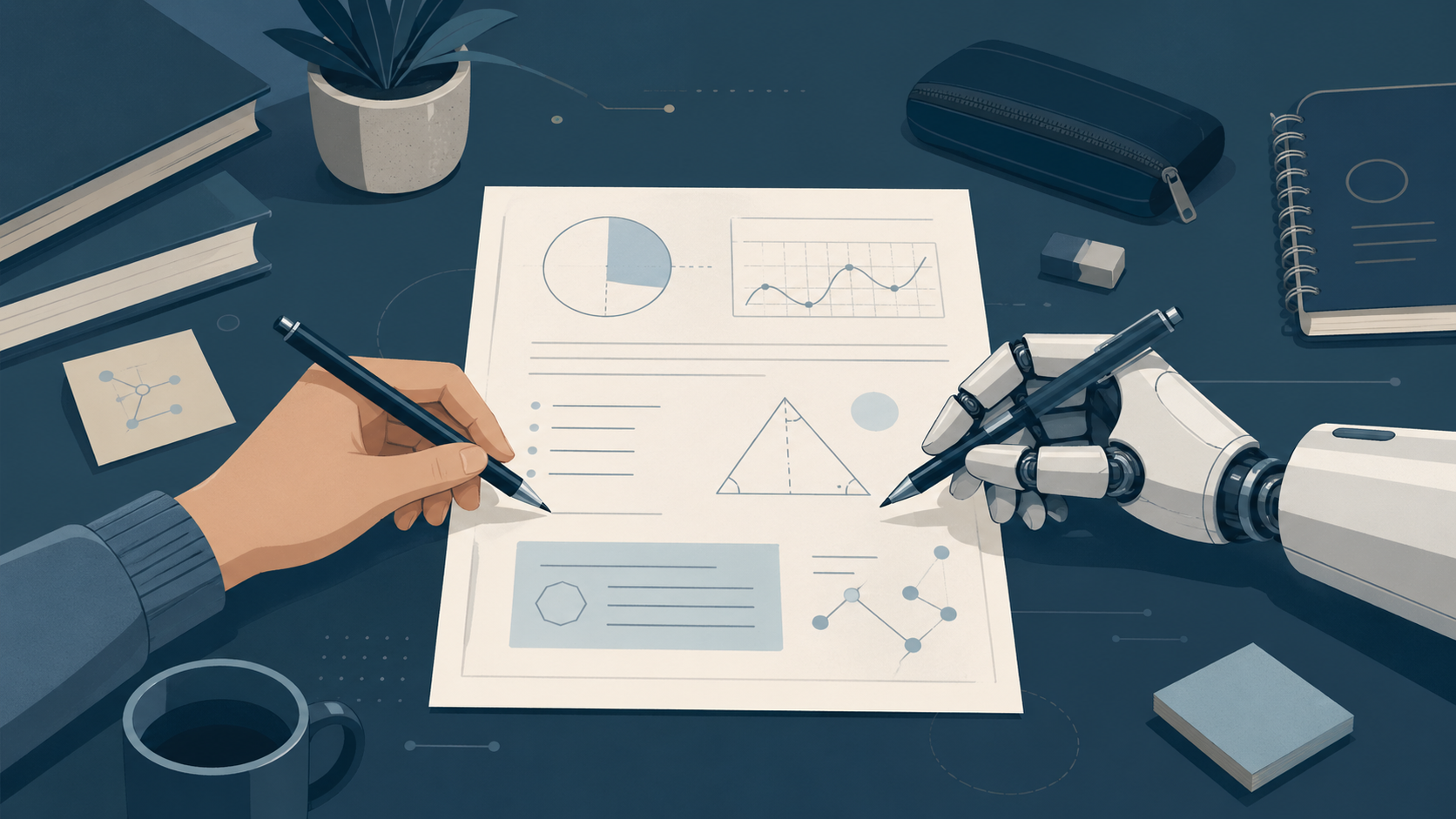
BenAI and homework isn't a cheating question anymore. It's a question of who is doing the thinking.
Helps students discuss AI and homework, academic integrity, gray areas, and the question of who is actually doing the thinking.
 Ben
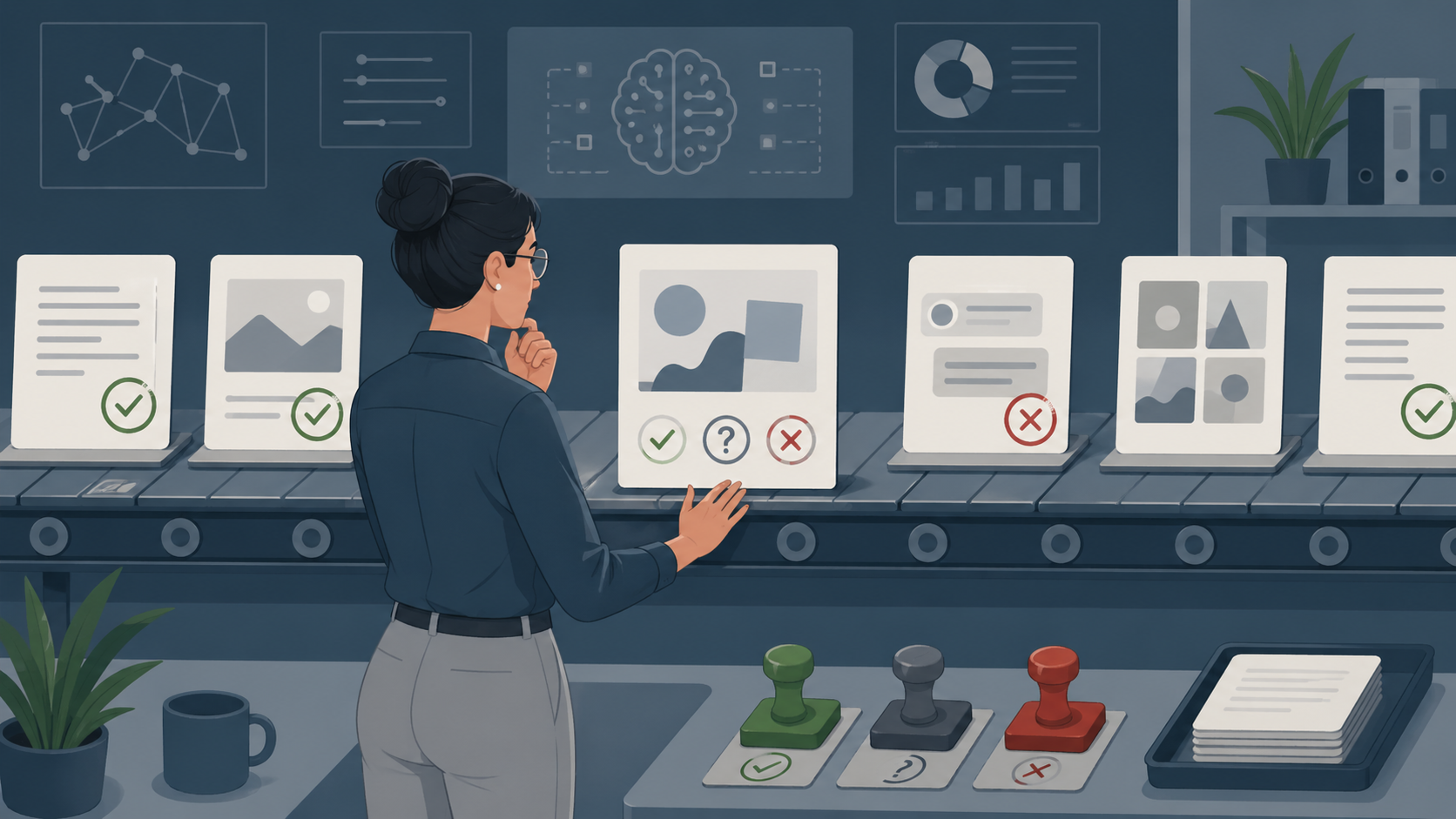
BenTop or slop? AI output can look polished and still be weak. That's the habit worth teaching.
Helps students evaluate AI output, spot weak answers, and develop the habit of critical review rather than accepting the first result.
 Ben
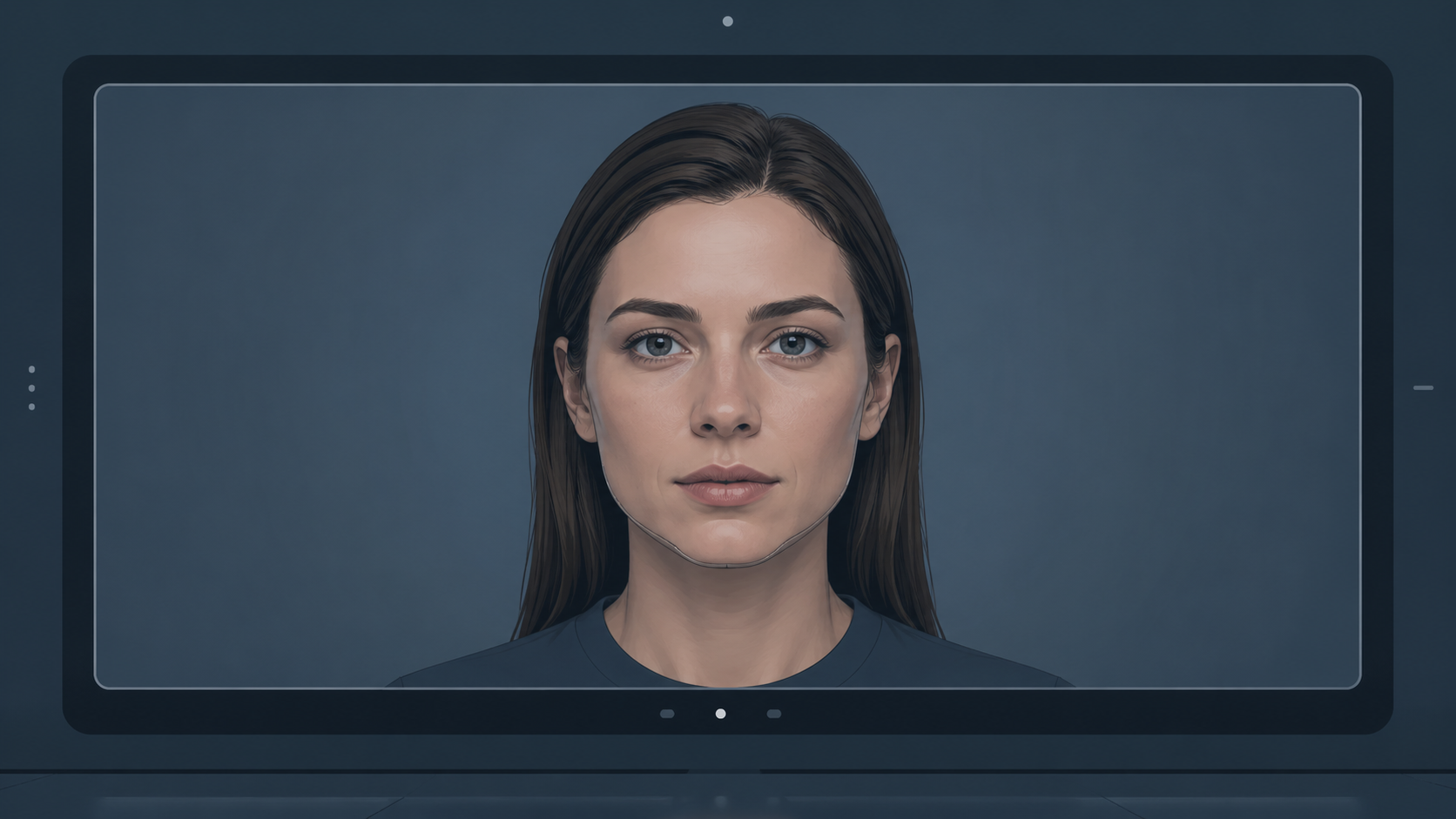
BenDeepfakes don't just make fake media look real. They make real evidence easier to deny.
Helps students understand deepfakes, synthetic media, consent, verification, and why seeing is no longer enough.
 Ben
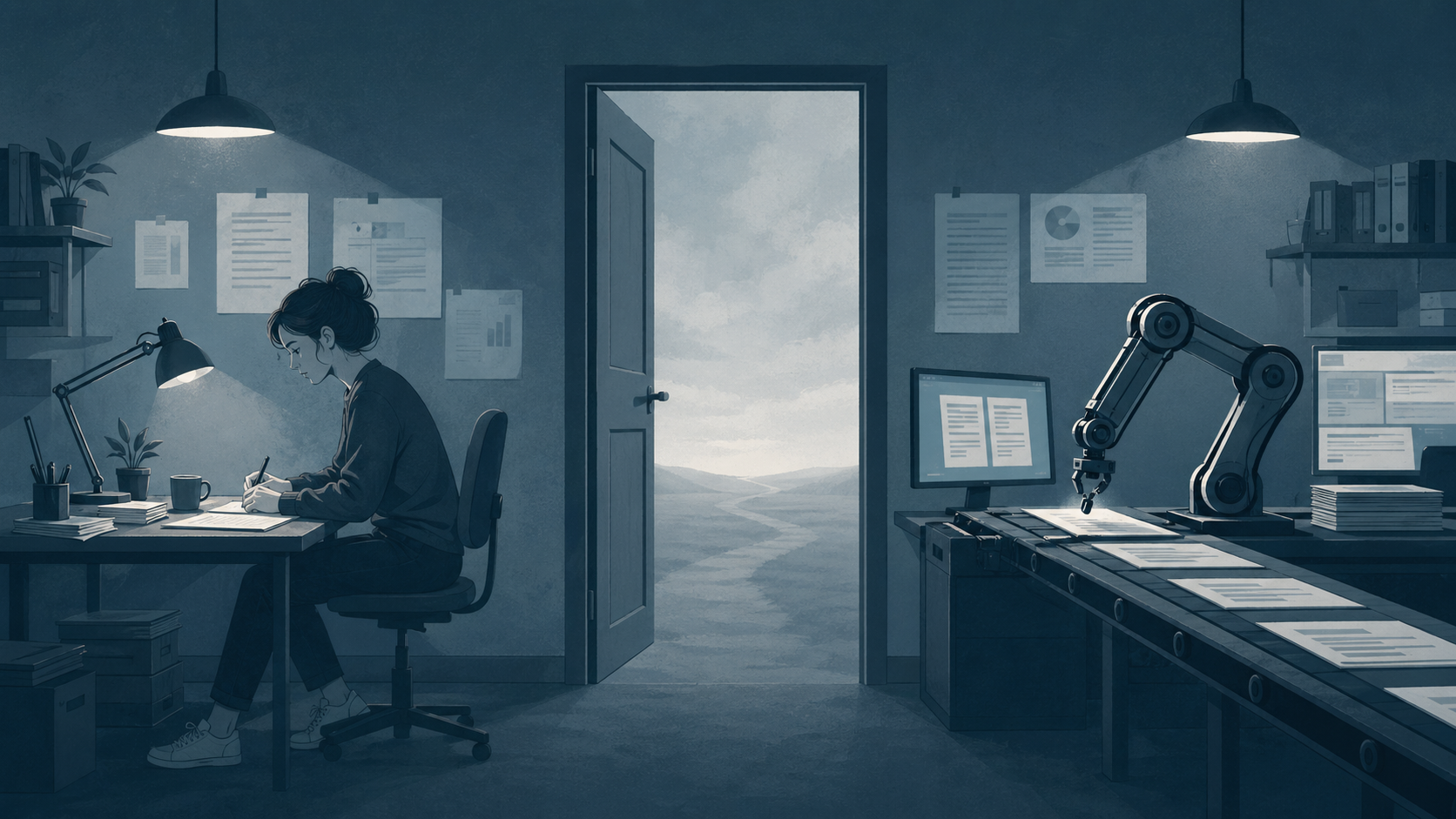
BenAI probably won't erase your job. It will change what it involves.
Helps students explore how AI may change jobs, which skills will matter, and how to prepare without panic.
 Ben
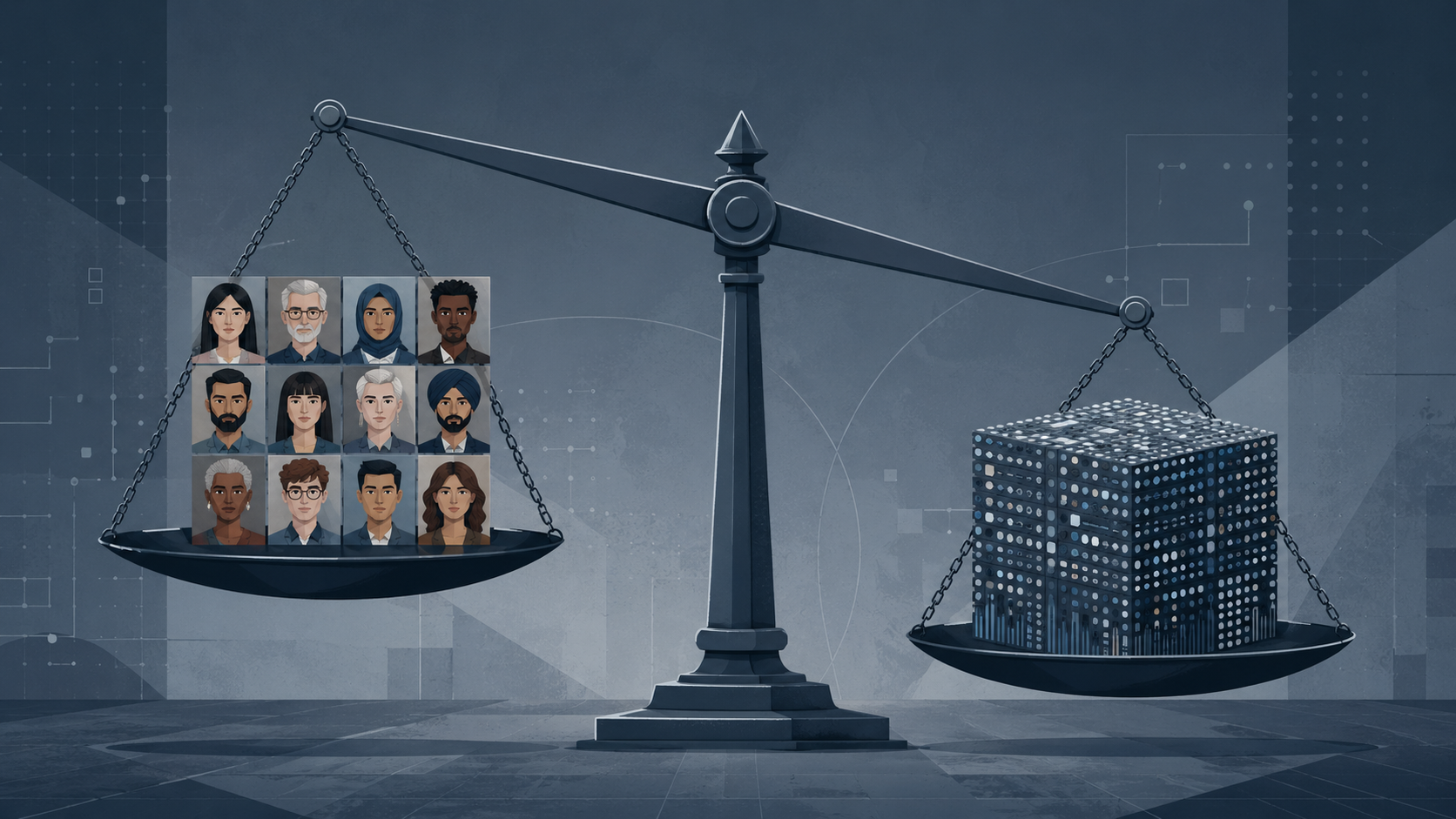
BenWhen a decision comes from an algorithm, it feels neutral. That doesn't mean it is.
Helps students understand AI bias, fairness, and why algorithmic decisions are not automatically objective or neutral.
Digital Money & the New Economy
Financial literacy lessons on the money pressures teenagers meet online: Buy Now Pay Later, crypto hype, get-rich-quick courses, influencer income, sports betting apps, prediction markets, NFTs and gig work.
 Ben
BenBuy Now, Pay Later: Why “four easy payments” can be hard to see clearly.
Helps students understand payment framing, debt stacking, and how to pause before a future commitment feels smaller than it is.
 Ben
BenCrypto and the hype cycle: When excitement starts looking like evidence.
Helps students recognise hype, FOMO, influencer pressure, and the difference between a financial claim and evidence.
 Ben
BenGet rich quick culture: When the dream is the product.
Helps students recognise online money promises, course-selling tactics, and the difference between ambition and a shortcut being sold.
 Ben
BenInfluencer income: What the highlight reel leaves out.
Helps students understand creator income, unpaid work, sponsorship disclosure, and why visibility is not the same as a stable career.
 Ben
BenSports betting apps: The design behind “just one bet.”
Helps students recognise betting-app design, variable rewards, normalisation, and the safeguards that make it easier to pause.
 Ben
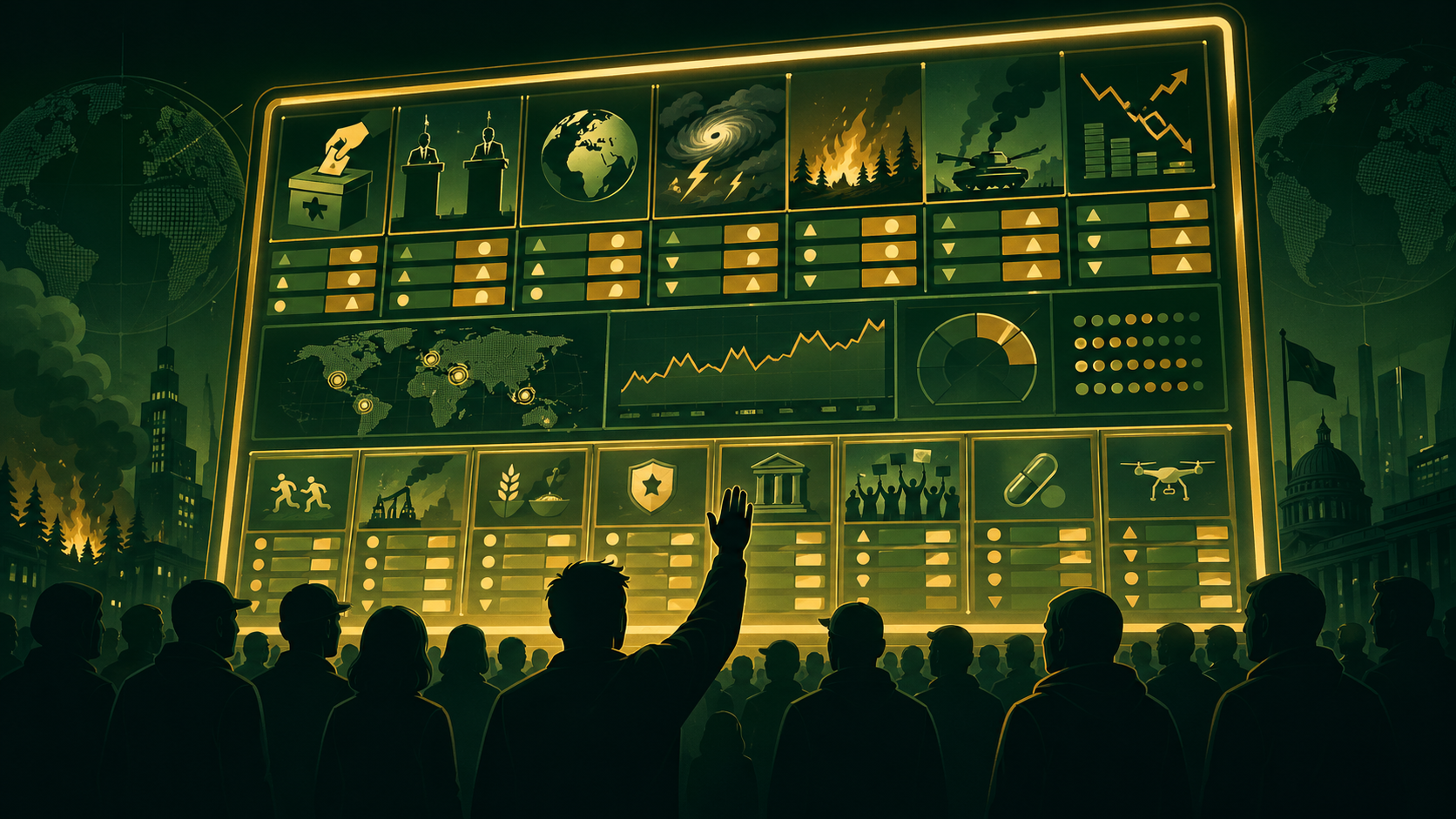
BenPrediction Markets: When the Whole World Becomes a Bet
Prediction markets have gone mainstream. This activity helps students think critically about what they're looking at: odds, crowds, incentives, and whether markets can be trusted.
 Ben
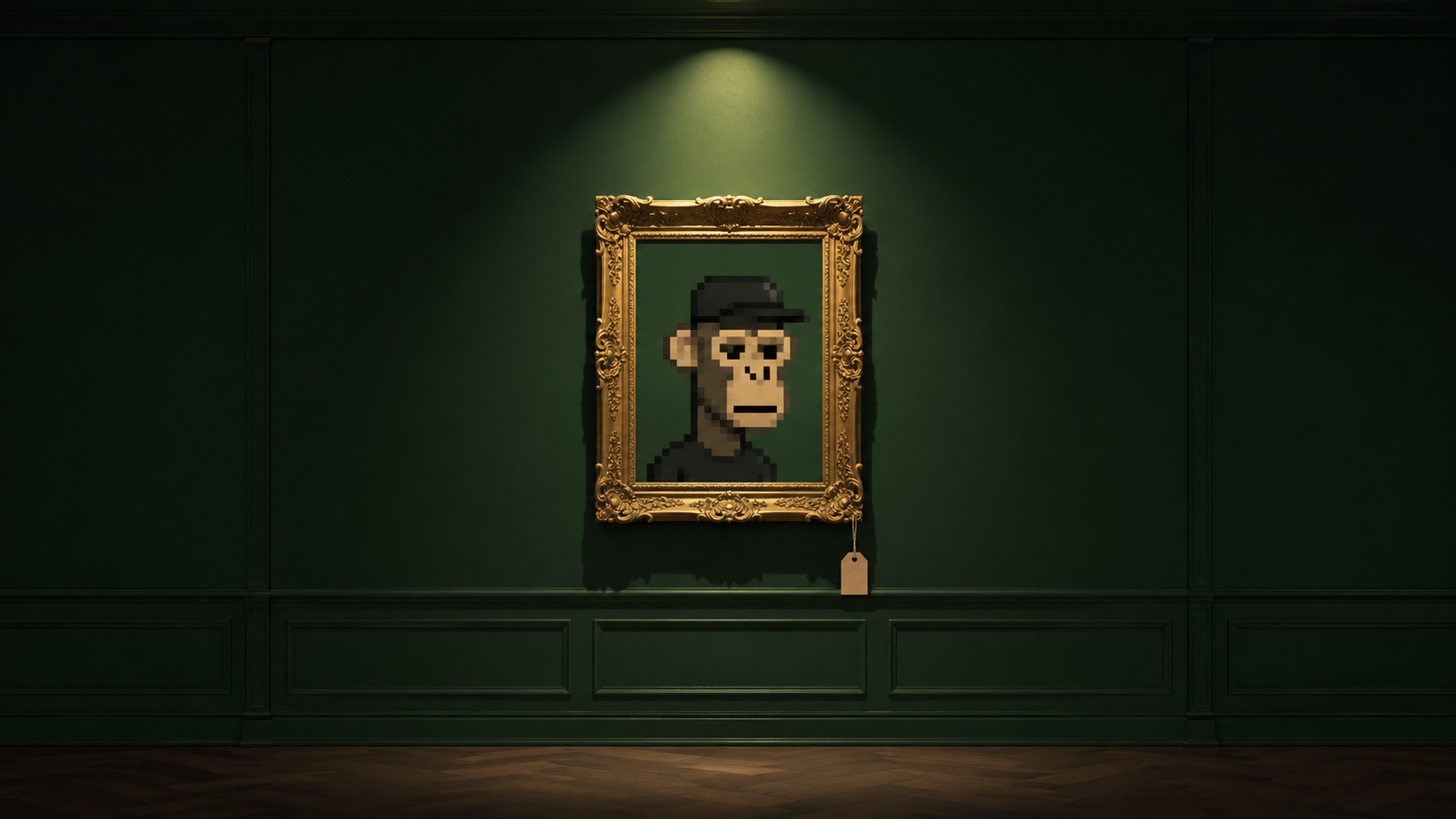
BenThe NFT bubble popped. The hype mechanics that inflated it are still everywhere.
A digital image sold for $69 million. It's worth about $2,300 now. The NFT collapse is a perfect case study in how hype, wash trading, and the greater fool theory work.
 Ben
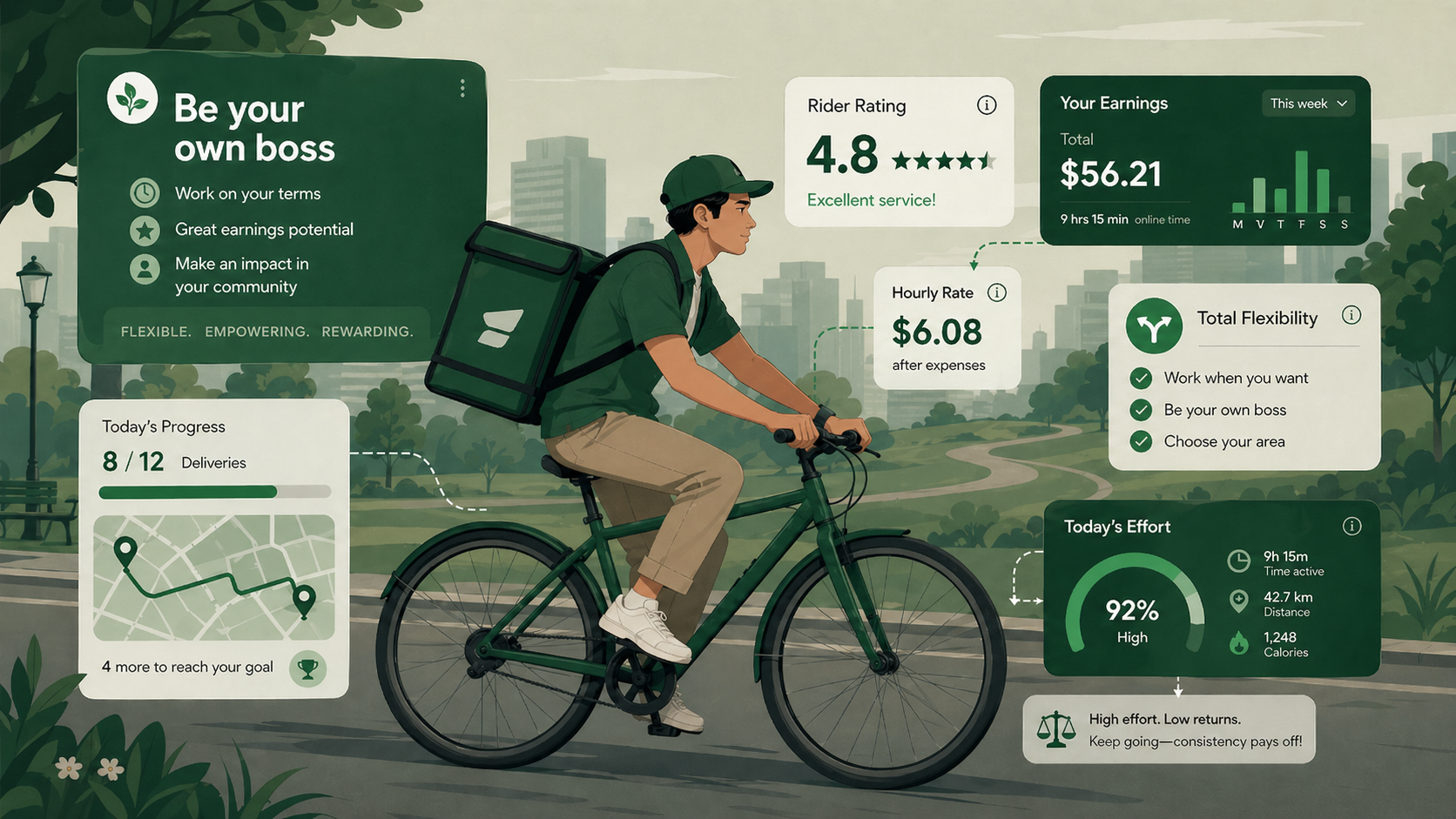
BenGig work is sold as flexibility. The math behind it tells a different story.
Gig work is often sold as freedom and flexibility. The real earnings, once you count fuel, tax, and depreciation, tell a different story.