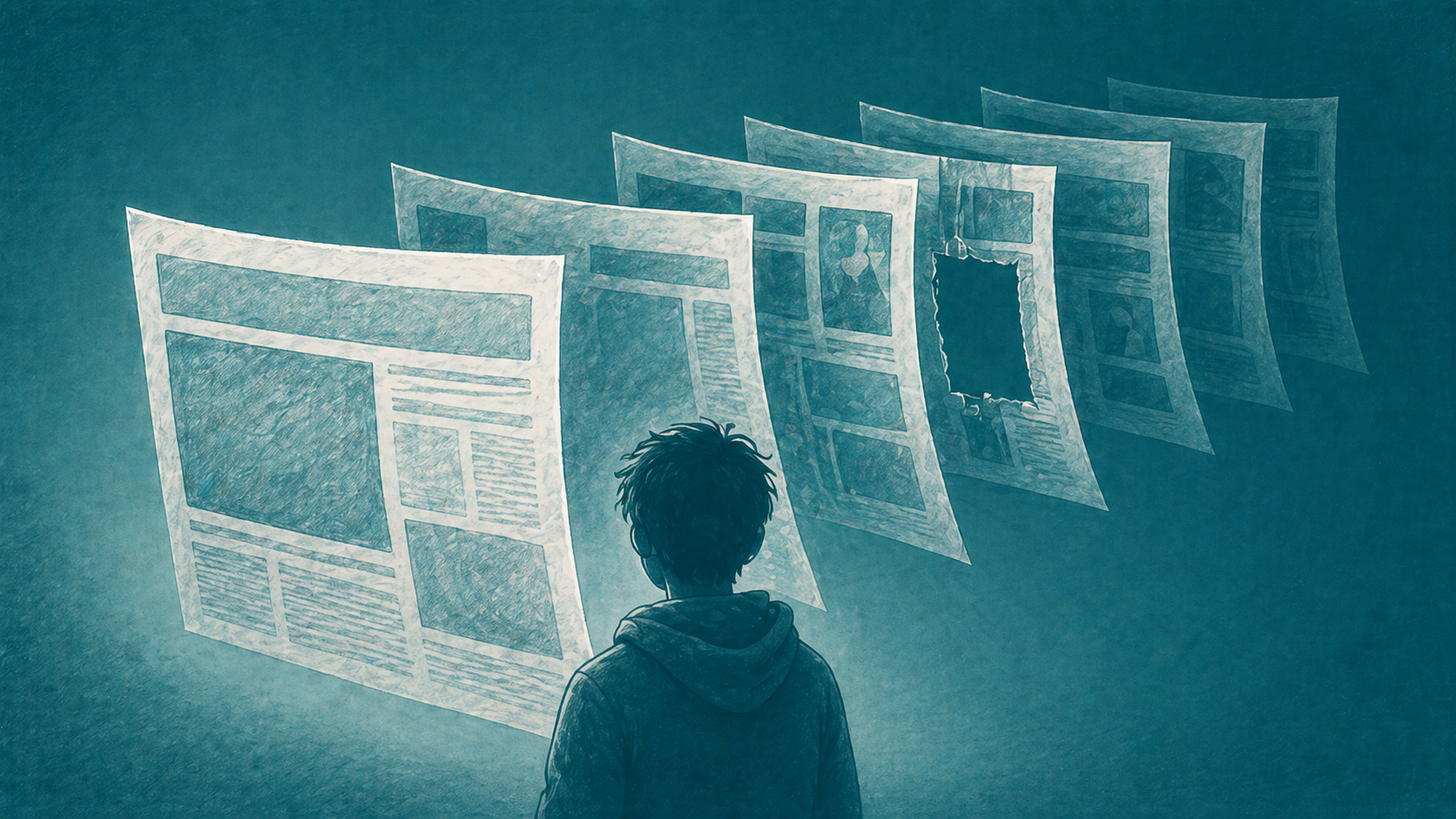
Does this sound familiar?
A news event breaks, and within a lesson or two students are already talking about it. That part is encouraging. They are paying attention. But sometimes the way they describe it sounds oddly complete for something they only just heard about. They have the facts, or at least some of them, but they also have a ready-made angle: who is to blame, what it "really" means, who is overreacting, who is hiding something.
That does not mean students are being manipulated or that they are not thinking for themselves. It means many of them meet the news after someone else has already packaged it. A headline, a clip, a caption, a creator's reaction, a comment thread, or a repost can all frame the story before students ever read a full article.
The problem is not just fake news. It is that real news can be framed in ways that push students toward a conclusion before they have learned how to ask better questions.
Media bias is when a news story's choices push readers toward one view: which facts to include, which words to use, which sources to quote and what to leave out. It is not always deliberate, and it is not the same as false news. Comparing how different outlets frame the same story is one of the quickest ways for students to see it.
Most students are not waiting for the evening news or a printed newspaper to understand what is happening. Pew's 2024 teen technology report found that YouTube is used by 90% of U.S. teens, while around six in ten use TikTok and Instagram. That matters because these are not just entertainment spaces. They are also where students meet headlines, clips, reactions, and arguments about current events. (Pew Research)
News literacy is more complicated than spotting whether something is true or false. The same event can be described with different verbs, different details, different images, and a different sense of who deserves sympathy. Reuters Institute's 2025 Digital News Report points to a continued shift away from traditional news sources and toward social media, video platforms, and aggregators, which means more people are encountering news through formats built for speed, reaction, and sharing. (Reuters Institute)
That is why framing matters. A headline can be accurate and still selective. A source can have a perspective without being useless. A story can include real facts and still leave out context that would change how students understand it. Students need something more useful than "trust this outlet" or "don't trust that one." They need a repeatable way to slow down, compare coverage, and ask what choices shaped the story before it reached them.
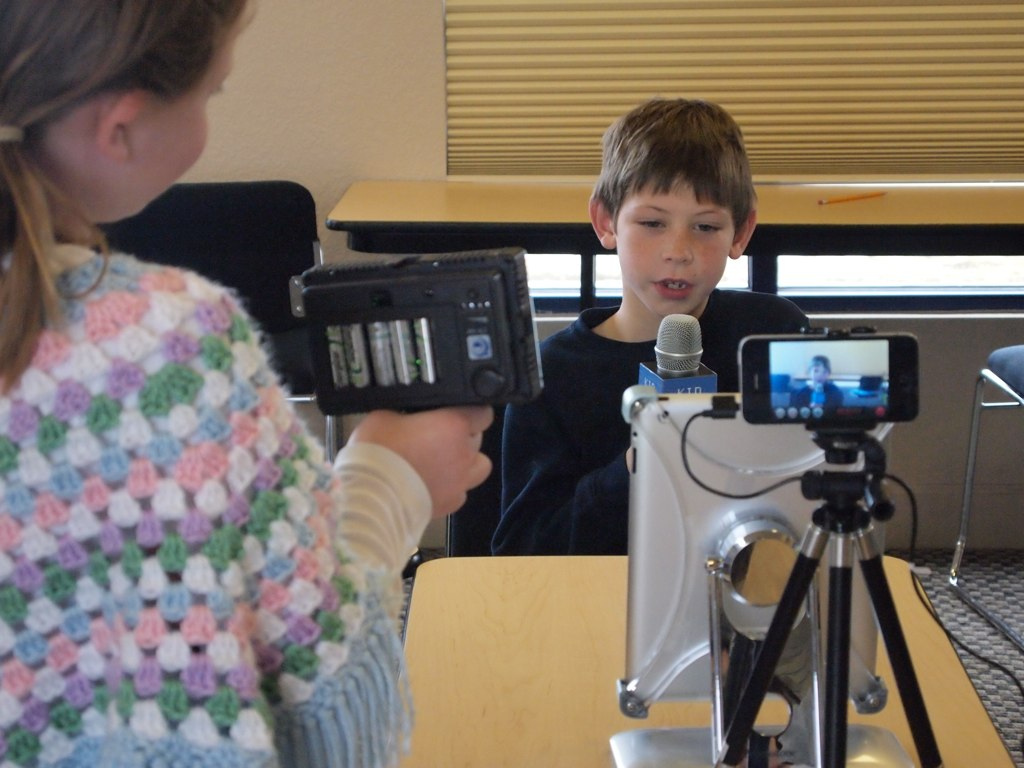
Students using tablets for a media project. Evaluating news and media works the same way: the skills that help students create good content also help them question the content they consume. Photo: Brad Flickinger, CC BY 2.0.
How to Read the News gives students a practical structure for doing that work. It is a group activity for ages 12 to 18 that fits well in media literacy, digital citizenship, social studies, advisory, English, journalism, or current events lessons. Students look at where their news comes from, compare how different headlines frame the same story, and apply a reusable source checklist to real news coverage. They learn to evaluate any source more carefully, especially when a story arrives with a strong angle already attached.
| Ages | 12–18 |
| Group size | 3–4 students |
| Time | Around 60 minutes |
| Works for | Media literacy, digital citizenship, social studies, advisory, English, journalism, current events |
The activity is built in three parts. In Part 1, students start by mapping where their news and information comes from. They include social media, apps, word of mouth, and anything else they use to find out what is happening in the world. Then they ask whether they know who owns those sources, whether the source has a political leaning or agenda, and how many sources they actively chose compared with how many simply appeared in their feed.
In Part 2, students focus on framing and bias. They compare paired headlines about the same issue and discuss how each one creates a different impression. The examples cover school funding, a study about social media and teen anxiety, unemployment figures, and a celebrity charity donation. The key idea is that two headlines can both use true information and still tell readers very different stories.
In Part 3, students choose a real news story currently in the headlines and compare how at least two outlets cover it. They use a source checklist that asks who wrote the story, where it was published, when it was published, whether it cites sources, whether the headline matches the article, what emotional tone it uses, whether other outlets agree on the facts, and what information may be missing.
The teacher guide includes timing, facilitation notes, differentiation ideas, an extension task, and an assessment rubric focused on understanding bias and framing, source evaluation, headline comparison, discussion contribution, and quality of reflection.
This lesson works best when students are not pushed into defending or attacking specific outlets. They may come in with strong opinions about certain platforms, creators, or news brands, and that can quickly turn into "my source is better than yours." Keep bringing the class back to the mechanics: Who wrote it? What was emphasized? What was left out? What emotion is the headline trying to create?
A tricky moment can come when students say, "All news is biased, so you can't trust any of it." There is some useful skepticism in that, but it can slide into giving up. Bias does not make a source worthless. It means you need to know the lens you are looking through. A useful question is: "What is the difference between a source having a perspective and a source trying to mislead you?"
The headline comparison is often where the lesson clicks. Students can usually spot the obvious difference between two headlines, but the discussion gets sharper when they notice that both might be technically true. Ask: "What facts would you need before deciding which headline gives the fairer picture?" That moves them away from gut reaction and toward evidence.
For the live news exercise, choose stories carefully or give students a short list to pick from. Highly charged political stories can work with older groups, but they need strong facilitation. For younger groups, a story about school policy, technology, sport, health, or entertainment may be enough to show the same mechanics without the room hardening into sides.
How to Read the News is part of the Navigating Information Online bundle, a collection of activities that help students think more clearly about misinformation, online information, bias, source evaluation, algorithms, and the way digital platforms shape what they see. Use it as a standalone lesson on news literacy, media bias, framing, source evaluation, headlines, or fake news, or as part of a wider sequence on media literacy and critical thinking.