
Have I been influenced by a company? Of course I have. Everyone has.
Think about your favorite drink, your favorite shoes, your phone, your headphones, or the brand of clothing you keep coming back to. Some of that is taste. Some of it is habit. Some of it is advertising that worked. That is not new. Commercials have been around forever, and most of us understand the basic deal: a company wants our attention so it can sell us something.
What is harder to spot is whether I have been influenced by an influencer without realizing a company was involved. Probably, yes. That is much harder to spot. If a creator I trust recommends something, mentions it casually, or keeps using it on camera, it does not always feel like an ad. It feels like part of their life.
That is what I think about when I watch my son's media world. He sees online creators every week, and those creators need to earn money. Sometimes the selling is obvious. But often it is woven into the content. If a streamer drinks an energy drink to stay awake during a long stream, it looks natural. Nobody may notice that the can's brand has been sitting in the camera shot for hours.
That is the tension students need to understand: they can enjoy influencer content, but they also need to recognize when trust, authenticity, and entertainment are being used to sell to them.
Influencer marketing is when brands pay creators, or give them free products, to promote something to their followers. It works because a recommendation from someone you follow feels personal and trustworthy, not like an ad. Sponsored posts usually have to be disclosed, but disclosures are easy to miss, especially for younger viewers.
Influencer culture is easy to underestimate because it often does not feel like advertising. A normal ad announces itself. A creator recommendation can feel more personal: someone you like, trust, or admire is showing you what they use, wear, drink, eat, play, or buy. That is why it works. The relationship comes first, and the selling can sit quietly inside it.
That does not mean influencers are doing something wrong every time they earn money. Creating content is work, and brand deals, affiliate links, gifted products, and sponsorships are part of the business model. The problem is when students cannot tell where the personal recommendation ends and the commercial relationship begins. The FTC's guidance for social media influencers is clear that paid or brand-connected endorsements need a clear disclosure, because audiences should know when a recommendation is connected to money, gifts, or a business relationship. (FTC)
Authenticity is where it gets complicated. An influencer can disclose a sponsorship and still make it feel like a casual part of their life. They can promote a product they genuinely like and still be paid to do it. They can seem open, funny, and honest while also building a brand. Students do not need to become cynical about every creator they follow. They need to understand the deal: attention becomes trust, trust becomes influence, and influence becomes money.
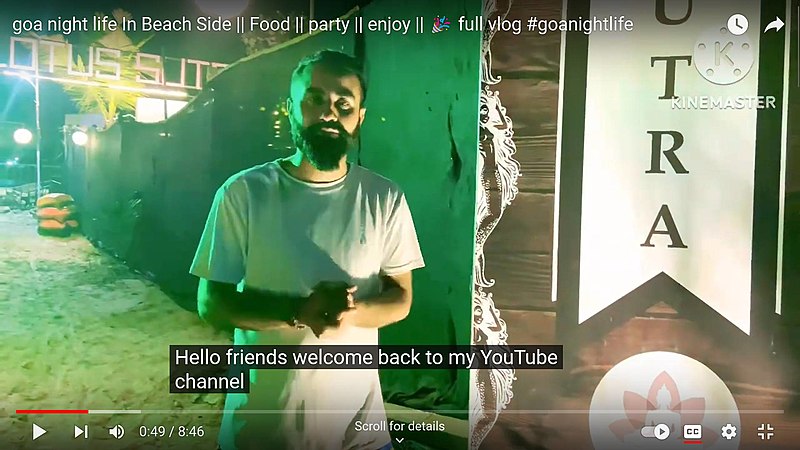
The direct-to-camera format is part of what makes influencer content feel personal. When a creator looks into the lens and talks to you, it does not feel like an ad, even when it is. Photo: Himalayan Vloggers, CC BY 3.0.
Helping students understand that deal is the aim of Influencer Culture, a group activity for ages 12 to 18 that fits well in digital citizenship, media literacy, social media literacy, wellbeing, advisory, or life skills lessons. Students look at how influencers make money, how sponsored content works, and why disclosure matters. The activity is not about telling students that influencers are fake or that following them is naive. It is about helping them understand the business model behind the content they already consume, so they can enjoy it without being sold to without noticing.
| Ages | 12–18 |
| Group size | 3–4 students |
| Time | 55–65 minutes |
| Works for | Digital citizenship, media literacy, social media literacy, wellbeing, advisory, life skills |
The activity is built in three parts. In Part 1, students look at how the influencer business model works. They think about the creators they follow, whether they have ever bought or tried something because of them, and whether a recommendation feels different when it comes from a friend compared with an influencer.
In Part 2, students analyze real influencer content. They look through recent posts from a creator they follow and count how many are sponsored, how many use affiliate links, how clearly those posts are labeled, and how many feel personal versus produced. They then work through scenarios involving supplement reviews, staged lifestyle photos, paid fitness promotions, fast fashion, unlabeled "day in my life" content, and heavy editing aimed at a young audience.
In Part 3, students explore authenticity. They discuss whether someone can be authentic and commercial at the same time, and where they would draw the line if they were building a personal brand themselves. They look at behaviors like clearly labeling sponsored content, only posting about products they genuinely use, showing unedited photos, admitting mistakes, turning down sponsorships that conflict with their values, and posting the same kind of content even when it gets fewer likes.
The lesson also includes a teacher guide with timing, facilitation notes, differentiation ideas, and an assessment rubric. The rubric focuses on understanding the influencer business model, post analysis, critical thinking about authenticity, group discussion, and quality of reflection, so students are assessed on how well they understand the system rather than whether they like or dislike influencers.
The main thing is to avoid turning the lesson into an attack on influencers students like. Some students may admire creators, learn from them, or even want to become one themselves. That is a useful entry point. Ask what kind of creator they would want to be, what they would promote, and what they would refuse to promote no matter how much money was offered.
Where groups may stall is on disclosure. Students may say, "Everyone knows influencers get paid," but that is not the same as knowing which specific post is paid, which product was gifted, or which link earns commission. Push them to be precise: "What would the audience need to know to judge this recommendation fairly?" That question keeps the focus on honesty rather than blame.
The authenticity table is where things usually sharpen. Ask students: "Can someone be authentic and still have a business model?" The answer is not simple. A creator can genuinely like a product and still be paid to promote it. They can share personal struggles and still build a brand from that openness. That complexity is exactly why students need to understand the system, not just decide whether an influencer is "real" or "fake."
Influencer Culture is part of the Social Media and Digital Life bundle, a collection of activities that help students think more clearly about online behavior, media literacy, digital citizenship, and the pressures built into social platforms. Use it as a standalone lesson on influencer marketing, sponsored content, disclosure, authenticity, or online trust, or as part of a wider sequence on social media literacy and digital citizenship.