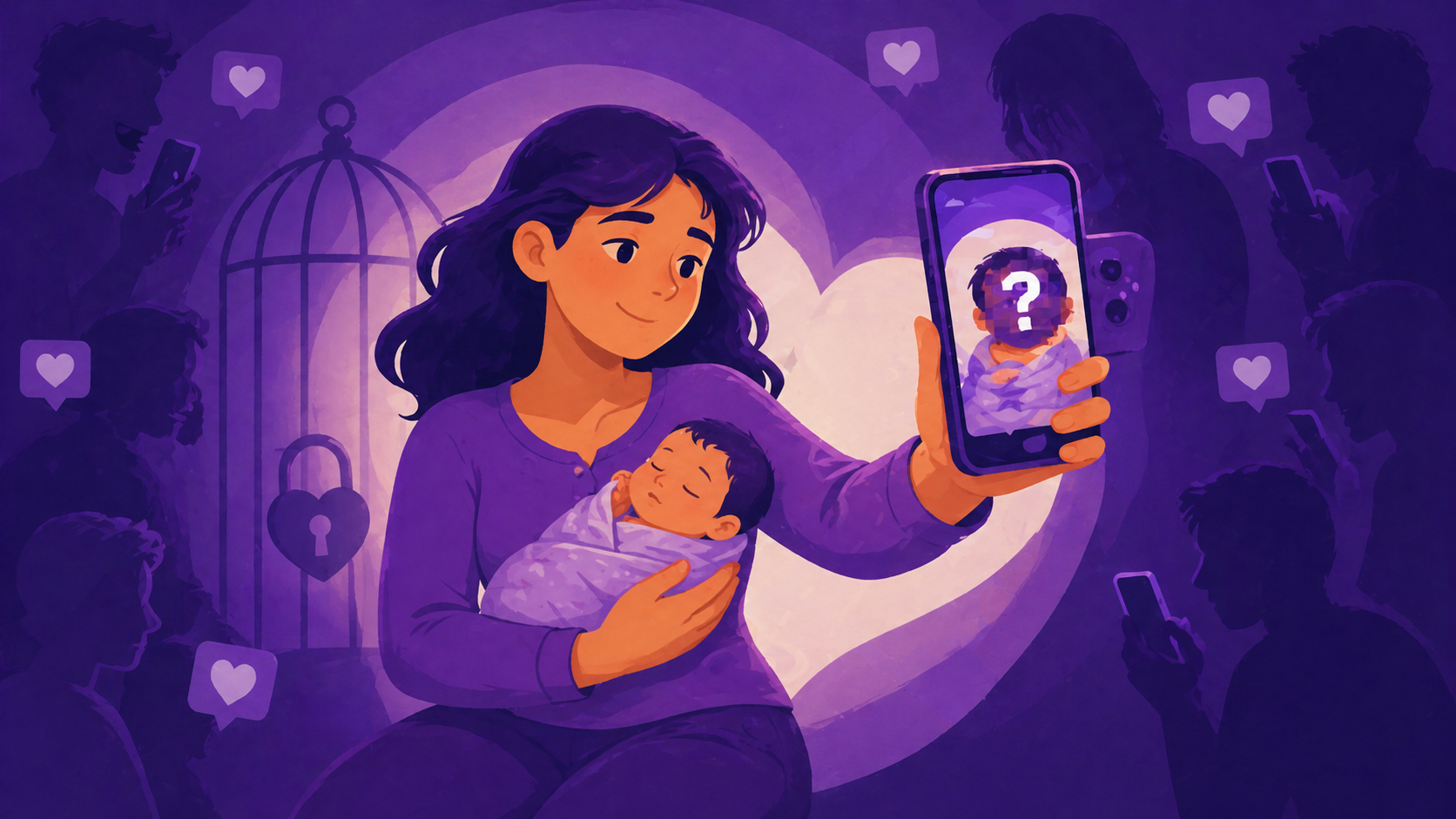
Family vlogging used to look like harmless background noise to me: parents filming breakfast chaos, birthday parties, school runs, vacations, funny toddler moments.
But the more I think about it, the harder it is to ignore what is really happening in some of those channels. A child's ordinary life can become content. Their tears, tantrums, medical details, bedroom, routines, siblings, and embarrassing moments can become part of a public archive before they are old enough to understand what that means. And if the channel earns money, the question becomes even sharper: is this family memory, or is it a child's life being turned into a product?
Lawmakers are starting to take that question seriously. Illinois became the first U.S. state to ensure that child social media influencers are compensated for their work, with earnings set aside when they appear regularly in monetized online content. It is not a perfect answer, but it shows that this is no longer just a private parenting choice. (AP News)
That is the tension students need to understand: most parents share out of love, pride, connection, or habit, but good intentions do not automatically give children control over their digital footprint. The question is not whether every family photo is wrong. It is where sharing becomes oversharing, and who gets to decide.
Sharenting is when parents share photos, videos and stories about their children online, from birthday pictures to full family vlogging channels. It is usually done out of love or pride, but it builds a digital footprint for a child who has no say in it. The key questions are consent, privacy and who benefits.
Sharenting is easy to underestimate because the intention is usually warm. A parent posts because they are proud, amused, exhausted, worried, or looking for support from other parents. A first day of school photo, a birthday video, a funny toddler quote, a sports win, a graduation picture: these are ordinary family moments. The problem is that online sharing can turn ordinary moments into a permanent record the child did not choose.
That matters because children's privacy is different from adult privacy. A child cannot fully understand who might see a post, how long it might last, or how it could feel years later. A photo that seems cute at age four might feel humiliating at fourteen. A post about anxiety, medical needs, exam results, tantrums, or family conflict may be shared with good intentions, but it still gives other people access to a part of the child's life that they might have wanted to keep private.
The hardest part is that there is no clean line every family will agree on. A parent sharing one graduation photo is different from a family building a public audience around a child's daily life. Sharing in a private family chat is different from posting to a public account. A post that celebrates a child is different from a post that exposes them. The classroom value is in helping students name those differences: consent, privacy, embarrassment, safety, money, and the right to grow up without every stage becoming searchable.
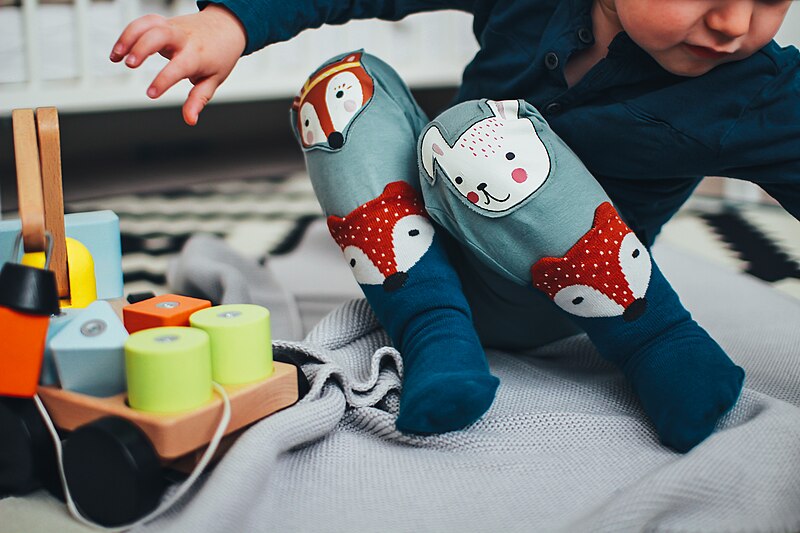
An ordinary moment. The kind parents photograph without a second thought, share with a caption, and move on. That is mostly what sharenting looks like. Not exploitation, but a thousand small decisions that together build a digital archive the child never agreed to. Photo: Daiga Ellaby, CC0.
That is the thinking behind Sharenting, a group activity for ages 12 to 18 that fits well in digital citizenship, media literacy, social media literacy, wellbeing, advisory, or life skills lessons. Students look at why parents share about their children online, where privacy and consent become complicated, and how family vlogging changes the stakes when a child's life becomes part of a public brand. The activity is not about blaming parents. It is about helping students think carefully about digital footprints, children's rights, and the question of who gets a say when someone else's life becomes content.
| Ages | 12–18 |
| Group size | 3–4 students |
| Time | 55–65 minutes |
| Works for | Digital citizenship, media literacy, social media literacy, wellbeing, advisory, life skills |
The activity is built in three parts. In Part 1, students define sharenting and think about whether their parents have ever posted something about them that they would not have chosen themselves. They also consider the parent's side: pride, love, connection, memory-keeping, support from other parents, or simply habit.
In Part 2, students work through scenarios where the line is not always clear. These include a parent posting a photo of a 13-year-old crying after a bad day, a family vlogging channel where the oldest child wants the channel taken down, a parent sharing exam results, a viral tantrum video, embarrassing childhood photos still online, and an anonymous parenting blog that includes detailed posts about a child's anxiety. For each one, students consider both the parent's and the child's perspective before deciding where they land.
In Part 3, students discuss rights and responsibilities. They consider whether parents should always ask permission before posting, whether younger children can meaningfully consent, whether teenagers should have the legal right to remove content posted by parents, whether family vlogging can become exploitation, and whether posts about medical conditions are different from posts made for entertainment.
The lesson also includes a teacher guide with timing, facilitation notes, differentiation ideas, and an assessment rubric. The rubric focuses on understanding sharenting, scenario analysis, perspective-taking, group discussion, and quality of reflection, so students are assessed on how carefully they weigh intent, consent, privacy, and long-term consequences.
This lesson works best when the parent perspective is taken seriously. Most parents who sharent are not trying to exploit their children. They may be proud, lonely, looking for advice, preserving memories, or trying to connect with other parents. If students only hear "parents are wrong," the discussion becomes too easy. The harder and more useful question is whether good intentions are enough.
Where groups may stall is on consent. Some students will say young children cannot consent, so parents have to decide. Others will argue that this is exactly why parents should share less, not more. Push them to separate different cases. A private photo sent to grandparents is not the same as a public post. A graduation photo is not the same as a tantrum video. A one-off post is not the same as a monetized family channel.
The family vlogging scenario tends to surface the deeper issues. Ask students: "What changes when a child's life becomes part of the family income?" That question usually brings out the deeper issues: power, money, privacy, choice, and whether a teenager should be able to withdraw from an online identity that was built before they could meaningfully agree to it.
Sharenting is part of the Social Media and Digital Life bundle, a collection of activities that help students think more clearly about online behavior, digital citizenship, social media pressure, privacy, and the choices people make in public digital spaces. Use it as a standalone lesson on children's privacy, parental social media use, digital footprints, consent, or family vlogging, or as part of a wider sequence on media literacy and digital citizenship.