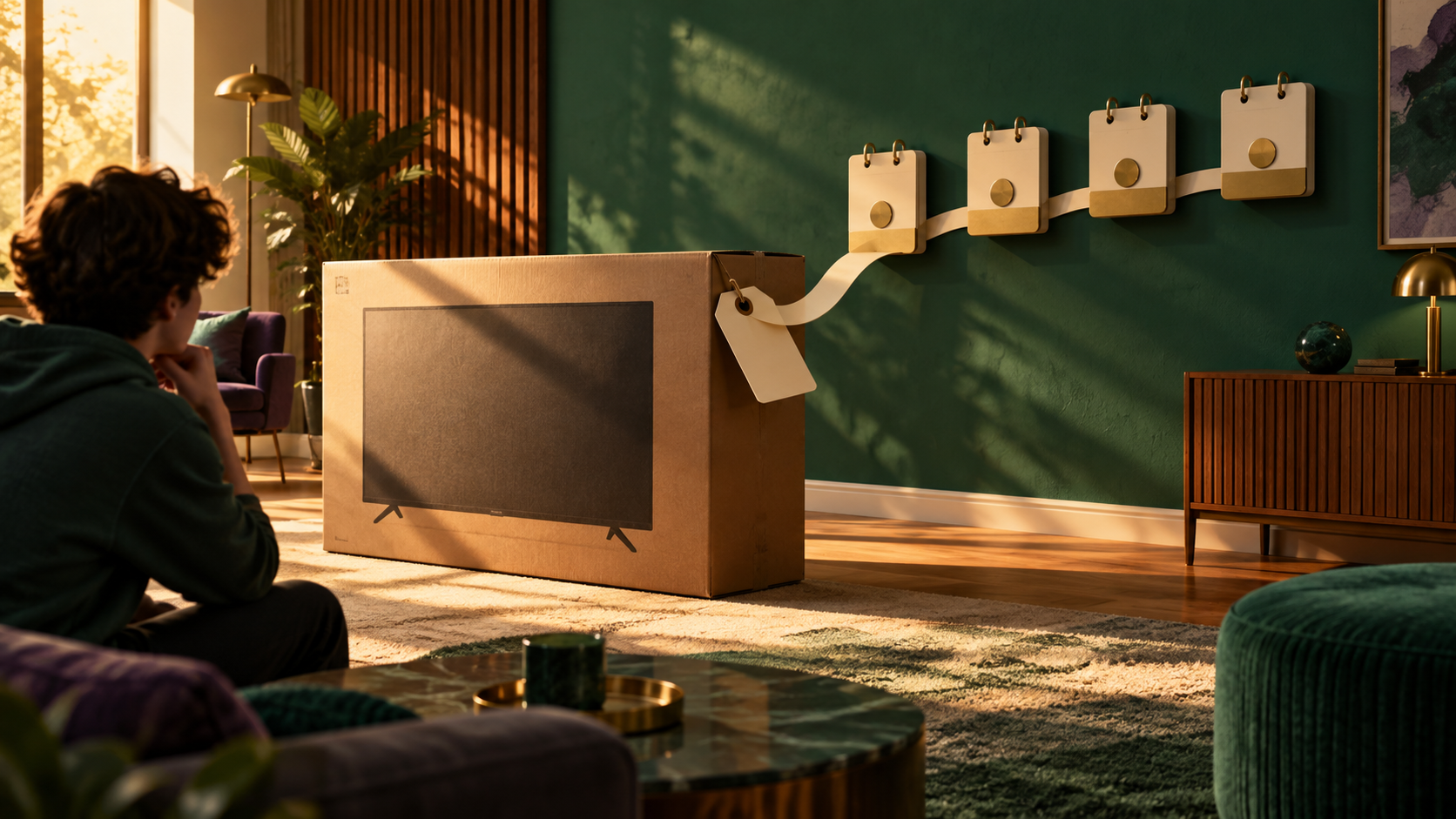
My 16-year-old son has been saving for a TV for his bedroom. It is taking a while to put the money together, so the other day he came to me with an offer he had seen: he could pay for it in instalments instead.
For me, with a steady income and a reasonably organised budget, that might be manageable. For him, it would mean making a commitment that he may not be able to keep if something changes later. Missing payments could turn a TV he was excited about into a problem he had not really seen coming.
So we made a deal. I would take the instalment plan in my name, and he would pay me back in instalments. It was a practical solution, but it also made me stop and think. The offer made a fairly expensive purchase feel immediately possible, not because it cost less, but because the full cost had been broken into smaller, calmer-looking numbers.
That is what students need to notice. Buy Now, Pay Later can be useful in some situations. But the design of the checkout can make a future commitment feel much smaller than it really is.
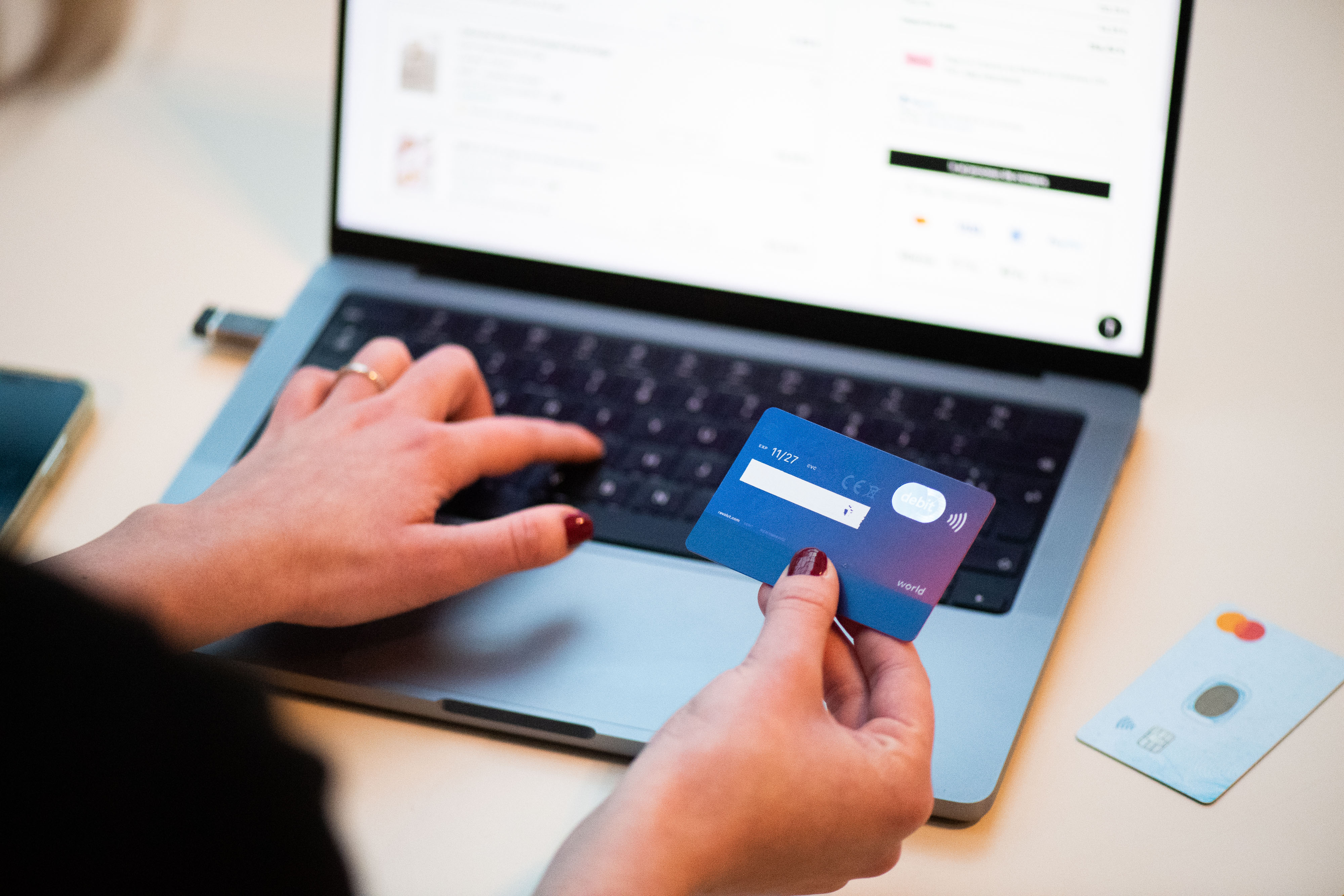
A bank-card purchase made online. The checkout is where a credit commitment can be made to feel like a small monthly decision. Photo: Bogdan Hoyaux / European Commission, CC BY 4.0.
Buy Now, Pay Later (BNPL) is a form of short-term credit offered at checkout. Instead of paying the full price, the buyer pays in installments, often four payments a few weeks apart. It can cost nothing extra if every payment is made on time, but late fees and several plans running at once can turn a small purchase into real debt.
Buy Now, Pay Later (BNPL) is credit presented in a particularly friendly form. Instead of one full price, shoppers see a series of smaller payments (often four), and the decision arrives at exactly the moment they want the item. That can be genuinely helpful when someone has planned for the payments. It can also make it easier to say yes before they have worked out what else will be due that month.
The US Consumer Financial Protection Bureau's 2025 study found that 21.2% of consumers with a credit record used BNPL in 2022. About 63% of borrowers had multiple simultaneous BNPL loans at some point that year, while a third used more than one provider. Those figures do not prove that BNPL causes debt problems. They do show why looking at one purchase in isolation can hide the larger picture.
For teenagers, the issue is not whether they should be allowed to buy things they want. It is whether they can recognise how payment design changes the feeling of a price, and ask the questions a smooth checkout does not ask for them: What is the total? What happens if I miss one payment? What other commitments will I have when the next instalment is due?
This works well in financial literacy, maths, consumer education, advisory, citizenship, and media-literacy lessons. Students do not need personal accounts, bank details, or stories about family finances. The strongest discussion starts with a made-up purchase and asks what the checkout is making visible, and what it is keeping comfortably out of sight.
The tone matters. BNPL is not automatically reckless, and using it is not a character flaw. The aim is to slow the decision down long enough for students to see the full commitment, the fees or consequences that may apply, and the difference between being able to make the first payment and being able to make every payment.
| Ages | 12–18 |
| Group size | 3–4 students |
| Time | 60–70 minutes |
| Works for | Financial literacy, maths, consumer education, citizenship, advisory |
The activity is a group investigation into how BNPL works and why deferred payment changes decision-making. Students first break down a typical pay-in-four offer: the timing, the total cost, and the small but important difference between paying today and committing their future income.
They then work through fee and repayment examples, compare several purchases happening at once, and examine debt stacking: what changes when a person has not made one large purchase, but several smaller commitments spread across different dates and providers.
The final section gives students a practical pause-before-you-pay checklist. It asks them to look past the size of the first instalment and consider the total price, the payment dates, late-payment consequences, return policies, and whether the purchase would still make sense if the option to split it disappeared.
Open with a neutral example: a product with one full price beside the same product split into four payments. Ask which number draws the eye first, then ask what information a shopper would need before deciding. The point is not to catch students out. It is to make the framing visible.
Keep every scenario fictional. Students should never be asked whether they, their friends, or their families use BNPL, have debt, or have missed payments. The lesson is much stronger when it stays focused on systems, choices, and the design of the offer rather than personal disclosure.
Buy Now, Pay Later and Teen Debt is part of the Digital Money & the New Economy sequence currently being prepared for Teachers Pay Teachers. In the meantime, you can browse the ready-to-run digital life activities already available in the Graphene - Digital Life Lessons store.